
Dengue Outbreaks and Mosquito Control Product Demand
2026-09-15
Dengue Outbreaks and Mosquito Control Product Demand: A Distributor's Inventory Playbook for 2026
Dengue is no longer a background health statistic — it is a demand signal for the household mosquito control category. The World Health Organization reported an estimated 14.5 million cases in 2024, following roughly 6.5 million in 2023, marking the two highest annual totals on record. For distributors of electric mosquito swatters and mosquito killer lamps, this carries critical commercial implications: public health campaigns, retail reorders, and consumer panic buying all converge within narrow time windows. Any inventory arriving after the outbreak peak will only sell at clearance prices. This article maps the translation of outbreak cycles into category demand, identifies the highest-risk regions for 2026, and outlines targeted inventory and product mix strategies.

The Mechanism: How an Outbreak Drives Product Sales
Arbovirus outbreaks stimulate household mosquito control demand through three sequential market waves:
1. Government & Institutional Wave (Weeks 0–4): Health ministries procure fogging equipment, larvicides, and large batches of standardized physical mosquito control devices for schools, clinics, and community sanitation programs. These are high-volume, specification-driven bulk orders, typically awarded rapidly with stringent short lead-time requirements.
2. Retail & Pharmacy Wave (Weeks 2–10): As public awareness surges, supermarkets, pharmacies, and general traders restock mosquito coils, aerosol sprays, and electric mosquito control devices. During officially declared outbreaks, shelf space for mosquito control products typically expands by 30–50%. Retailers with insufficient inventory lose shelf allocation to well-stocked competitors.
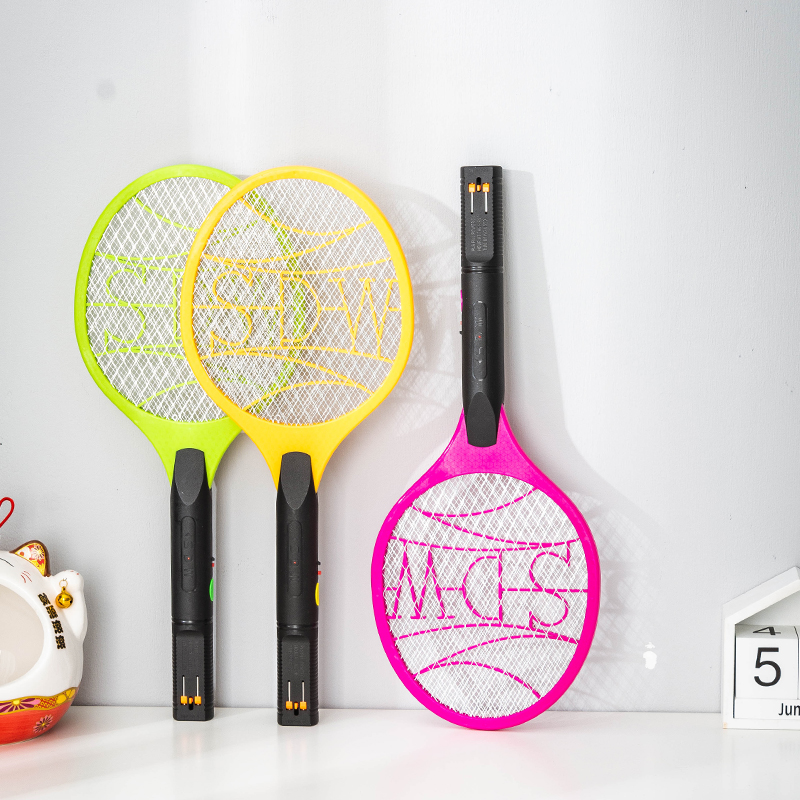
3. Consumer Panic Wave (Weeks 4–12): Direct consumer purchases peak 4–8 weeks after widespread hospital admission cases are first reported. In dengue-endemic cities, consumers prioritize instant-acting mosquito control devices, with electric swatters leading the market due to their immediate, visible killing effect. Mosquito killer lamps serve as ideal chemical-free overnight complementary solutions.
Key Practical Insight: Retail demand for physical mosquito control devices surges 6–10 weeks after the first official outbreak alert, aligning perfectly with standard sea freight lead times from China to most endemic markets. Waiting for public outbreak announcements to place orders guarantees missing the first critical retail sales wave.
Regional Dengue Risk Outlook: Late 2026 to 2027
|
Region
|
Dengue Situation
|
Peak Transmission Window
|
Category Implication
|
|
Brazil & Southern Cone
|
Cyclical outbreaks with record highs in 2023–2024; DENV-3 resurgence observed in 2025–2026
|
December – May (Austral Summer)
|
Stock inbound September–November; swatter-heavy product mix
|
|
Mexico & Central America
|
Persistent endemic region with recurrent epidemic cycles
|
July – November (Rainy Season)
|
Reorder window: April–June
|
|
South & Southeast Asia
|
Epidemic cycles active in India, Bangladesh, the Philippines, and Indonesia
|
June – November (Monsoon Season)
|
Reorder window: February–April
|
|
West & East Africa
|
Underreported but rapidly expanding transmission; urban co-circulation of dengue and malaria
|
June – October (Sahel Rainy Season)
|
Reorder window: January–March; cost-effective, price-sensitive product mix
|
|
Middle East (GCC, Yemen)
|
Emerging stable Aedes-borne transmission across multiple countries
|
Year-round transmission with spring peaks
|
Premium and gift-boxed SKUs are commercially viable
|
Two structural industry trends will elevate dengue outbreak risks in 2026 above historical averages. First, the expanding range of Aedes aegypti: urbanization and global warming have pushed the primary dengue vector to higher latitudes and altitudes, penetrating previously low-risk zones in South America, the Middle East, and Southern Europe, where autochthonous dengue cases were recorded between 2023 and 2025. Second, serotype shift: DENV-3 has replaced DENV-2 as the dominant strain in parts of Latin America. Historical data proves serotype replacements create population immunity gaps and trigger larger-scale outbreaks, most recently demonstrated by Brazil’s severe 2024 epidemic.
Product Mix Strategy: Align Inventory with Consumer Outbreak Psychology
During active outbreaks, consumers prioritize two core purchasing criteria: visible proven efficacy and chemical-free safety for children. In this context, electric swatters and UV mosquito killer lamps complement rather than compete with each other:
Electric Swatters: Core Panic-Driven Bestseller
High-performing specifications during outbreak seasons include triple-layer safety mesh (child safety becomes a decisive purchase factor during dengue outbreaks), 3,000–4,000 mAh rechargeable batteries, and integrated LED flashlights to address frequent power outages endemic to peak-season markets.
Mosquito Killer Lamps: Overnight Baseline Protection
USB-powered bedroom lamps feature zero chemical emissions and no consumable refills, making them safe for sleeping children. They maintain steady sales throughout the entire transmission season (not just peak panic periods), serving as reliable baseline inventory, while swatters cater to short-term demand surges.
2-in-1 Multifunctional Devices
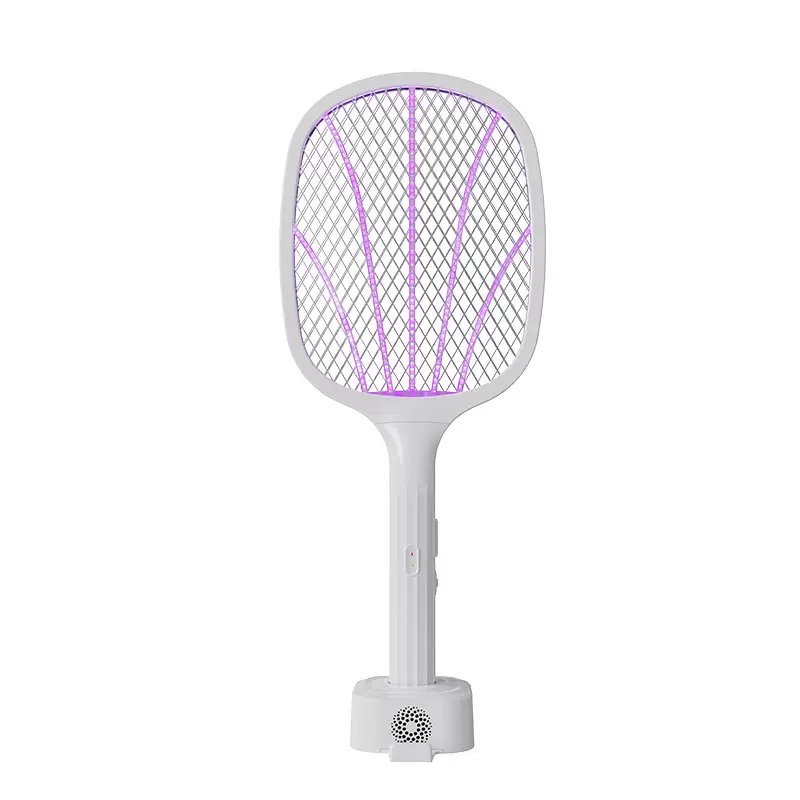
Combination electric swatters with UV base stations fulfill both instant eradication and overnight protection needs with a single SKU. They streamline logistics and inventory management during compressed high-demand windows with tight container availability.
Recommended Baseline Mix for Dengue-Prone Markets: 50–60% rechargeable electric swatters, 30–35% USB mosquito killer lamps, and 10–15% 2-in-1 multifunctional units, adjustable based on historical sell-through data.
Inventory Positioning: The Dual-Order Strategy
Experienced distributors in endemic markets avoid overreliance on single bulk seasonal orders, instead adopting a staggered dual-order model to mitigate risks and maximize profit margins:
1. Baseline Pre-Season Order
Placed 90–120 days before peak transmission, covering 60–70% of projected seasonal volume at standard pricing. For Brazil and the Southern Cone, orders must be confirmed September–October; for monsoon-driven Asian markets, confirmation occurs February–April.
2. In-Season Trigger Order
Pre-negotiate fixed SKUs, reserved production capacity, and locked pricing with manufacturers in advance. Activate the order immediately upon official government outbreak declarations or initial retail reorder signals. Pre-resourced trigger orders deliver in 30–45 days, compared to 60–75 days for standard spot orders, thanks to pre-staged raw materials and tooling.
This strategy requires pre-established supplier partnerships with formal capacity reservations, standardized quality protocols, and clear terms for unactivated inventory reservations. Distributors locking in these off-season agreements receive peak-season stock 3–5 weeks ahead of competitors — a critical gap that separates full-margin sales from discounted clearance inventory during outbreaks.
Beyond Outbreak Season: Building a Year-Round Sustainable Category
A common distributor mistake is treating mosquito control products as purely episodic, outbreak-dependent goods. A sustainable long-term strategy leverages outbreak demand spikes to acquire new customers, then retains them during off-seasons by positioning UV lamps as daily essential household protection for bedrooms, nurseries, and kitchens. Retailers favor brands with consistent off-season shelf presence and reward them with premium slotting terms for the next outbreak peak.
Product certification further amplifies competitive advantages. Government and institutional tenders universally require CE, RoHS, and FCC compliance, while African and Middle Eastern procurement projects increasingly mandate SONCAP and equivalent conformity documentation. Distributors with fully certified supply chains accelerate bidding processes and secure institutional bulk orders unavailable to price-only competitors. For distributors seeking compliant, outbreak-ready inventory, partnering with export-focused manufacturers such as Aofengming Electric (czafm.com) streamlines market entry. With 15 years of specialized OEM/ODM mosquito control production, the company maintains in-house CE, RoHS, FCC, and ISO 9001 certifications, enabling fast-track compliant inventory deployment ahead of outbreak cycles.
Why Does Your Mosquito Killer Lamp Smell Burnt
Is Mosquito Incense Effective
Related Article
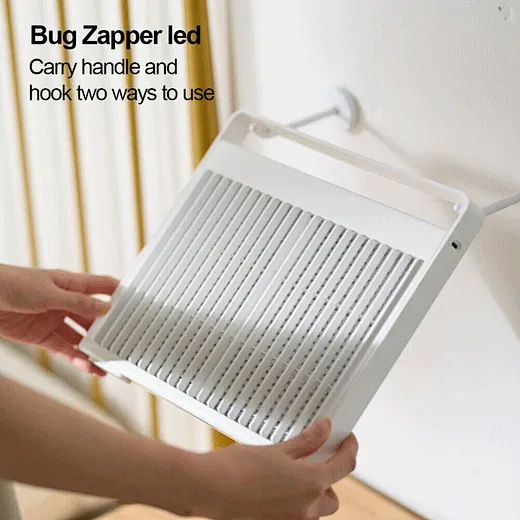
Along with air conditioners and fans, mosquito killer lamps are essential household appliances in summer. They operate quietly with no harsh odor. Compared with mosquito coils and repellent liquids, they are safer and more friendly to the elderly, children, and people with sensitive skin and respiratory systems. However, many users encounter an awkward issue: a faint burnt smell emerges soon after turning on the lamp.
Why Does Your Mosquito Killer Lamp Smell Burnt
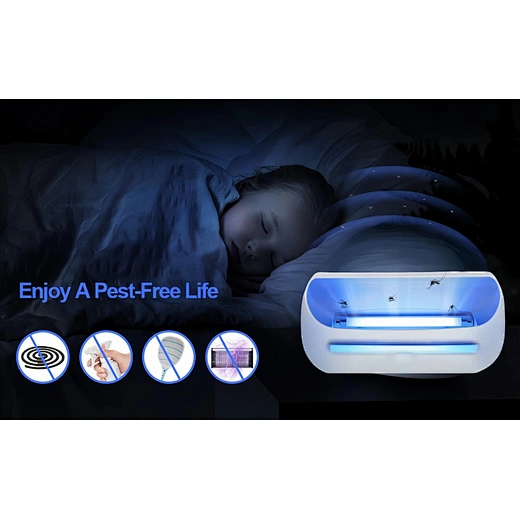
Mosquitoes rampage every summer, and mosquito incense is a must-have household mosquito repellent. As a traditional insect-repellent tool, coil mosquito incense, electric mosquito repellent tablets, and electric mosquito repellent liquids are widely used in most families. Their core active ingredient is usually pyrethroids.
Is Mosquito Incense Effective
Chinese OEM factories can easily print your custom logo on mosquito swatter handles, but they cannot secure legal trademark registration for your brand. This critical distinction — a registered legal trademark versus a mere printed logo — separates ordinary wholesale importers from legitimate brand owners. In 2026, this gap brings tangible business consequences across major global sales and customs platforms.
How to Register and Defend Your Mosquito Swatter Brand in 2026

Mosquitoes are one of the most common and annoying pests worldwide. Their constant buzzing and painful bites ruin outdoor activities, disturb rest, and even pose health risks by spreading infectious diseases. Most people only notice mosquitoes when they get bitten, yet few understand why certain areas are packed with far more mosquitoes than others. Mosquito survival and reproduction rely on three core conditions: stagnant water, high humidity, and shaded, windless environments.
Where Do Mosquitoes Thrive the Most