
Does Bleach Kill Insects
2025-06-26
Does Bleach Kill Insects?
Ingredients of Bleach and Its Insecticidal Principle
The main component of bleach is sodium hypochlorite (NaClO), which has strong oxidizing properties. When bleach comes into contact with insects, this strong oxidizing ability can destroy the cell membranes and protein structures of insects, thereby interfering with their physiological functions and leading to death. In addition, the pungent odor of bleach can also stimulate insects, affecting their perception and mobility. Understanding these characteristics of bleach is crucial for determining whether it can kill insects.
The Effect of Bleach on Different Insects
Common Household Insects
For some common household insects such as ants, cockroaches, and flies, bleach does have a certain killing effect. Ants rely on pheromones for communication and movement. Bleach can destroy the pheromone trails left by ants, interfering with their movement paths. Meanwhile, ants that come into contact with bleach will die due to the oxidation of their body tissues. When the surface of cockroaches comes into contact with bleach solution, the strong oxidizing property will damage their exoskeleton and cell tissues, ultimately leading to death. Flies are highly sensitive to the odor of bleach. When they directly contact bleach, they will have difficulty surviving due to damage to their physiological structures.
Garden Insects
In the garden, bleach can also act on small insects like aphids and slugs. Aphids are small in size and sensitive to chemicals. After being sprayed with bleach solution, their body structures will be quickly damaged. Slugs have a moist body surface, and when in contact with bleach, their body surface will be corroded, causing them to die from dehydration. However, for some larger garden insects with hard shells, such as beetles, the effect of bleach may be relatively limited, as it is difficult to penetrate their sturdy shells and cause fatal damage to the internal tissues.
How to Use Bleach to Kill Insects
Prepare the Right Concentration
When using bleach to kill insects, it is necessary to prepare the right concentration. Generally, mixing 1 part of bleach with 10 - 20 parts of water is more appropriate. If the concentration is too high, it may harm the surrounding environment and users, while a too - low concentration may not achieve the desired insecticidal effect. When preparing the solution, use a dedicated container and wear protective gear such as gloves.
Correct Usage Methods
Different usage methods can be adopted according to different insects and environments. For the cracks and corners where ants and cockroaches often appear, use a spray bottle to spray the diluted bleach solution in these areas. For aphids and slugs in the garden, dip a soft brush into the solution and apply it to the parts of the plants where the insects gather, but be careful not to damage the plants.
Safety Precautions and Alternatives When Using Bleach to Kill Insects
Safety Precautions
Although bleach can kill insects, safety must be taken into account when using it. Bleach is corrosive and may cause burns if it comes into contact with the skin. Inhaling its volatile gas may irritate the respiratory tract. Ensure good ventilation when using it, and keep children and pets away from the bleach solution. After use, properly dispose of the remaining solution to prevent water and soil pollution.
Alternatives
If you are concerned about the safety of bleach, you can also choose some natural alternatives. For example, soapy water and white vinegar water can also repel and kill many insects to a certain extent, and they are relatively environmentally friendly and safe. In addition, introducing natural enemies of insects, such as placing ladybugs in the garden to control the number of aphids, is also an eco - friendly pest control method.
In conclusion, bleach can kill a variety of insects to a certain extent, but pay attention to the methods and safety when using it. At the same time, more suitable pest control methods can be selected according to the actual situation.
How to Kill Mosquitoes at Home
How to Attract Mosquitoes to Bug Zapper
Related Article

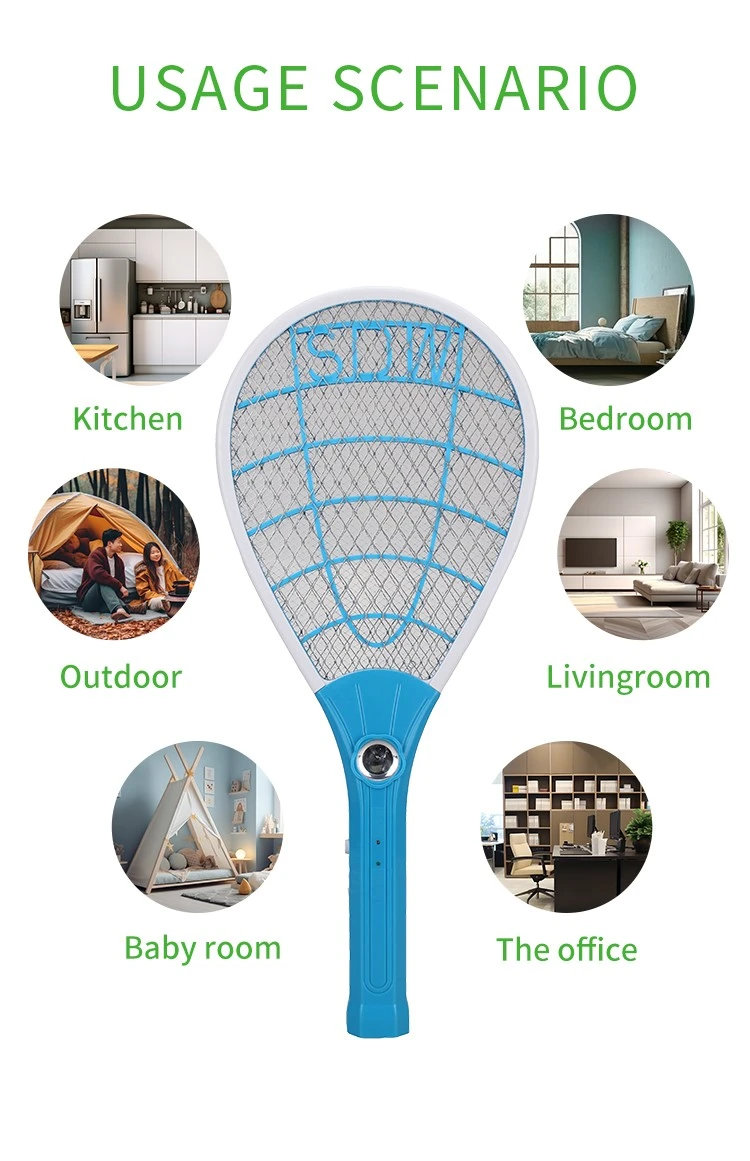
If you’re struggling with annoying mosquitoes, flies, and other flying pests indoors and outdoors, upgrading from traditional manual tools to anElectric Mosquito Swatter is the most efficient solution. Many homeowners and renters search where to buy fly swatter online to find durable, safe, and high-performance electric models that deliver instant pest control.
Where to Buy Fly Swatter
Most importers of electric mosquito swatters obsess over the first order: samples requested, factories vetted, a pre-shipment inspection booked. Then the reorder arrives eight months later and something is off. The grid feels softer. The charge port is a slightly different shade of black. The carton thickness dropped from 350 gsm to 300 gsm. Nothing is catastrophic — but the product no longer matches what your retail customers approved, and quietly, your return rate starts climbing.
How to Keep Mosquito Swatter Quality Consistent Across Repeat Orders
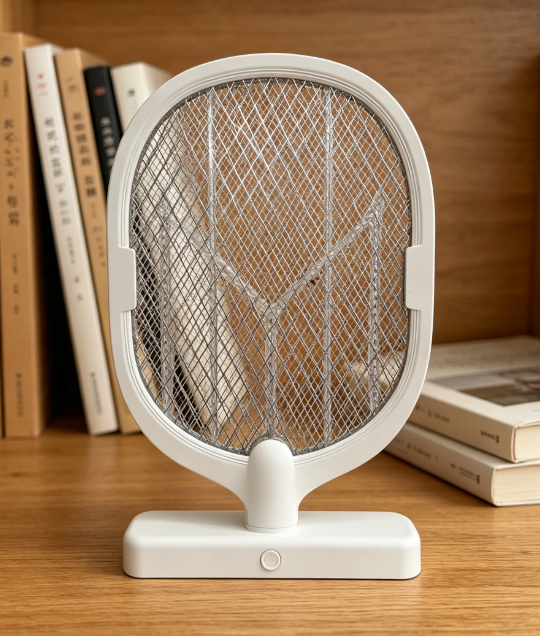
Warranty returns are the silent margin killer in the mosquito control category. A distributor who buys a swatter at $1.80 FOB and retails it at $9.90 can absorb a 1% return rate without noticing — but at 5%, the combined cost of replacement units, reverse logistics, and refund processing erases most of the line's profit.
Common mosquito swatter killer lamp failure modes wholesale spec guide

Digital bathroom scales rank as the second-highest-volume consumer weighing product category, only behind kitchen scales, with distinct market and product characteristics that set them apart from other scale types in importers’ product portfolios.
Digital bathroom body fat-bia-scale wholesale buyers guide