
Essential Steps to Take After Spreading Insect Killer Granules
2025-06-24
Essential Steps to Take After Spreading Insect Killer Granules
Spreading insect killer granules can be a potent solution for ridding your garden, yard, or home perimeter of pesky pests. But the task isn't complete once the granules hit the ground. Implementing a series of essential steps post - application is vital for maximizing the treatment's efficacy while safeguarding the well - being of your loved ones, pets, and the environment. Here’s a detailed breakdown of these indispensable procedures.
Prioritize Personal and Public Safety
Immediate Hygiene Practice
As soon as you finish spreading the insect killer granules, the first order of business is personal hygiene. Swiftly remove all protective gear, including gloves, coveralls, and safety goggles. Store these items in a sealed container to prevent any accidental contact with others. Then, head straight to the sink and thoroughly wash your hands, face, and any other exposed skin with warm water and plenty of soap. This crucial step helps eliminate any residual insecticide on your body, minimizing the risk of skin irritation or unintentional ingestion.
Secure the Treated Area
Marking off the treated zones is non - negotiable. Use bright, visible caution tape or signs to clearly demarcate the areas where the granules have been spread. This serves as a clear warning to keep children, pets, and visitors at bay. Remember, most insecticides need time to take full effect, and during this period, contact with the granules can pose significant health risks. Adhere strictly to the timeframes specified on the product label for restricting access to the treated areas, which can vary from a few hours to several days.
Proper Equipment Maintenance and Disposal
Thorough Cleaning of Applicators

If you've employed a spreader, sprayer, or any other applicator to distribute the granules, immediate cleaning is necessary. Rinse the equipment multiple times with clean water to dislodge any remaining granules. For hard - to - remove residue, use a gentle cleaning solution and a soft brush to scrub the surfaces. Ensure that all parts of the applicator are completely dry before storage to avoid rust and damage, which could affect its performance in future use.
Correct Packaging Disposal
Disposing of the packaging of insect killer granules requires careful attention. Don't simply toss it into the recycling bin. Instead, refer to the disposal instructions provided on the product label. In most cases, due to potential contamination with the insecticide, the containers should be placed in a sealed plastic bag and discarded as regular household waste, following local waste management regulations.
Rigorous Monitoring and Evaluation
Track Pest Activity
Keep a close eye on the treated areas over the following days and weeks. Look for telltale signs of decreased pest presence, such as fewer insects scurrying around, less visible damage to plants, or the disappearance of pest - related symptoms like chewed leaves or holes in fruits. If, after the recommended waiting period, you still notice a significant number of pests, it's a signal that the treatment might not have been as effective as hoped. In such situations, you may consider reapplying the granules according to the product guidelines or seek the expertise of a professional pest control service.
Assess Environmental Impact
Equally important is monitoring the environmental impact of the insecticide. Pay attention to any changes in the local ecosystem, especially the well - being of beneficial insects like bees, butterflies, and ladybugs. Check for any signs of plant distress, such as abnormal discoloration, wilting, or stunted growth. Additionally, observe if there are any adverse effects on the soil quality. Document any unusual observations and consult with the product manufacturer or an environmental expert if you suspect unintended consequences from the use of the granules.
Sustain Safety Protocols
Prevent Recontamination
Until the insect killer granules are fully broken down or absorbed by the soil, take precautions to avoid recontamination. Refrain from walking barefoot in the treated areas, and try to minimize activities that could stir up the granules, such as digging or excessive gardening. If you need to enter the treated zone for any reason, wear appropriate protective footwear and clothing to reduce the likelihood of coming into contact with the insecticide.
Follow - up Treatment as Required
Some insect killer granules may necessitate additional applications to maintain their effectiveness over time. Consult the product label for the recommended treatment schedule and stick to it. Keep the product information, including the label and instructions, in a safe and accessible place for future reference. This will help you address any potential pest resurgence and ensure long - term protection for your property.
By meticulously following these essential steps after spreading insect killer granules, you can achieve optimal pest control results while ensuring the safety and health of everything and everyone in your vicinity.
How Many People Do Mosquito Kill a Year
How Do I Kill Mosquitoes in My Yard
Related Article

If you’re struggling with annoying mosquitoes, flies, and other flying pests indoors and outdoors, upgrading from traditional manual tools to anElectric Mosquito Swatter is the most efficient solution. Many homeowners and renters search where to buy fly swatter online to find durable, safe, and high-performance electric models that deliver instant pest control.
Where to Buy Fly Swatter
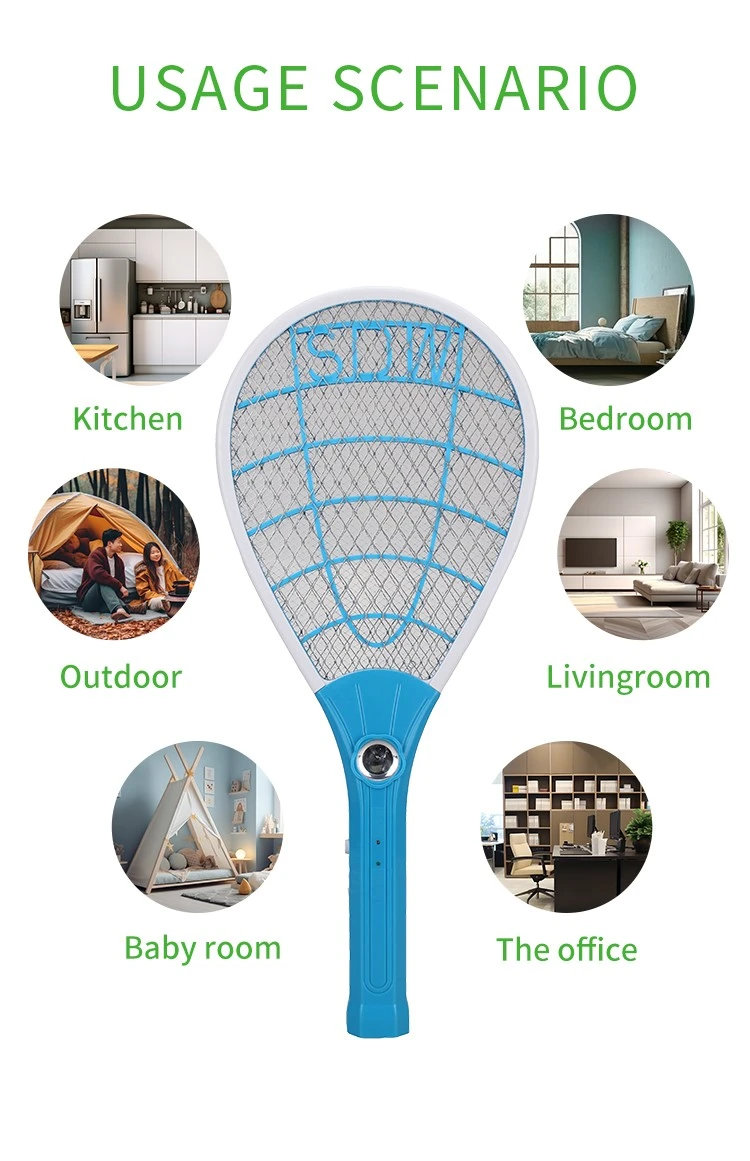
Most importers of electric mosquito swatters obsess over the first order: samples requested, factories vetted, a pre-shipment inspection booked. Then the reorder arrives eight months later and something is off. The grid feels softer. The charge port is a slightly different shade of black. The carton thickness dropped from 350 gsm to 300 gsm. Nothing is catastrophic — but the product no longer matches what your retail customers approved, and quietly, your return rate starts climbing.
How to Keep Mosquito Swatter Quality Consistent Across Repeat Orders
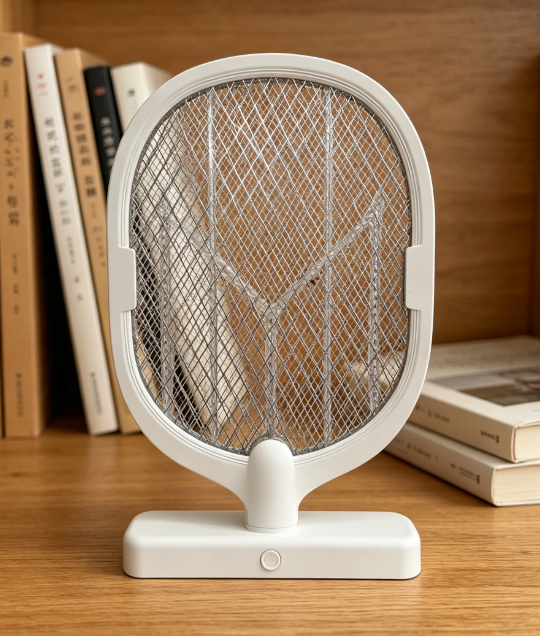
Warranty returns are the silent margin killer in the mosquito control category. A distributor who buys a swatter at $1.80 FOB and retails it at $9.90 can absorb a 1% return rate without noticing — but at 5%, the combined cost of replacement units, reverse logistics, and refund processing erases most of the line's profit.
Common mosquito swatter killer lamp failure modes wholesale spec guide

Digital bathroom scales rank as the second-highest-volume consumer weighing product category, only behind kitchen scales, with distinct market and product characteristics that set them apart from other scale types in importers’ product portfolios.
Digital bathroom body fat-bia-scale wholesale buyers guide