
How Can You Take Control of Bug Control
2025-07-04
How Can You Take Control of Bug Control
In our daily lives, bugs can be a persistent nuisance, causing damage to our homes, gardens, and even our health. Taking control of bug control is essential for maintaining a comfortable and healthy living environment. This blog will explore effective strategies to help you regain control over these unwanted pests.
Understanding the Enemy: Identifying Common Bugs
Before you can effectively control bugs, it's crucial to know what you're dealing with. Different bugs have distinct habits, preferences, and vulnerabilities. For example, ants are attracted to food crumbs and sweet substances, while mosquitoes breed in stagnant water. By identifying the specific bugs in your area, you can tailor your control methods accordingly.
Research Local Bug Species
Conduct research on the common bug species in your region. You can refer to local gardening books, online resources, or consult with pest control professionals. Understanding their life cycles, breeding patterns, and habitats will give you an edge in developing targeted control strategies.
Inspect Your Property Regularly
Regularly inspect your home and garden for signs of bug infestations. Look for droppings, chewed leaves, nests, or any other indicators of bug activity. Early detection allows you to take prompt action and prevent the infestation from spreading.
Prevention is Key: Creating a Bug-Resistant Environment
Preventing bugs from entering your property in the first place is the most effective way to take control of bug control. By implementing preventive measures, you can reduce the likelihood of infestations and minimize the need for chemical treatments.
Seal Entry Points
Bugs can enter your home through tiny cracks, gaps, and openings. Seal all entry points, including windows, doors, vents, and utility openings, using caulk, weatherstripping, or screen mesh. This will not only keep bugs out but also improve energy efficiency.
Keep Your Property Clean
Bugs are attracted to food, water, and clutter. Keep your home and garden clean and tidy by regularly sweeping, mopping, and vacuuming. Store food in airtight containers, clean up spills immediately, and dispose of garbage properly. Trim bushes and trees away from your house to eliminate hiding places for bugs.
Remove Standing Water
Mosquitoes and other bugs breed in standing water. Eliminate any sources of standing water around your property, such as birdbaths, flower pots, and clogged gutters. If you have a pond or pool, use a fountain or aerator to keep the water moving and prevent mosquito breeding.
Natural Bug Control Methods
If you prefer a more eco-friendly approach to bug control, there are several natural methods you can try. These methods are not only safe for the environment but also for your family and pets. Besides using essential oils, planting bug-repellent plants, and attracting beneficial insects, you can also employ physical tools.
Use Physical Traps and Tools
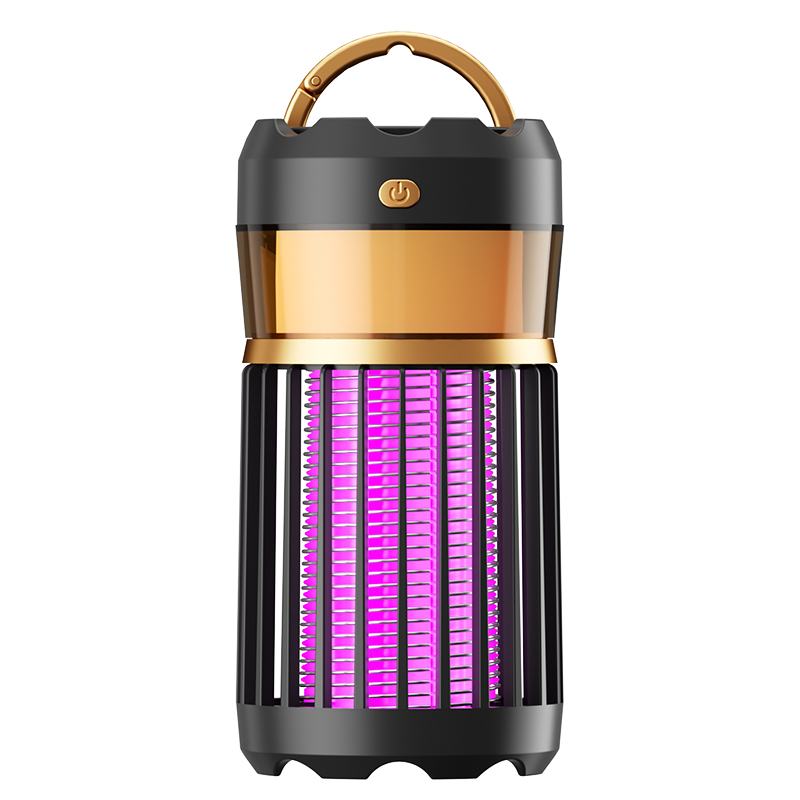
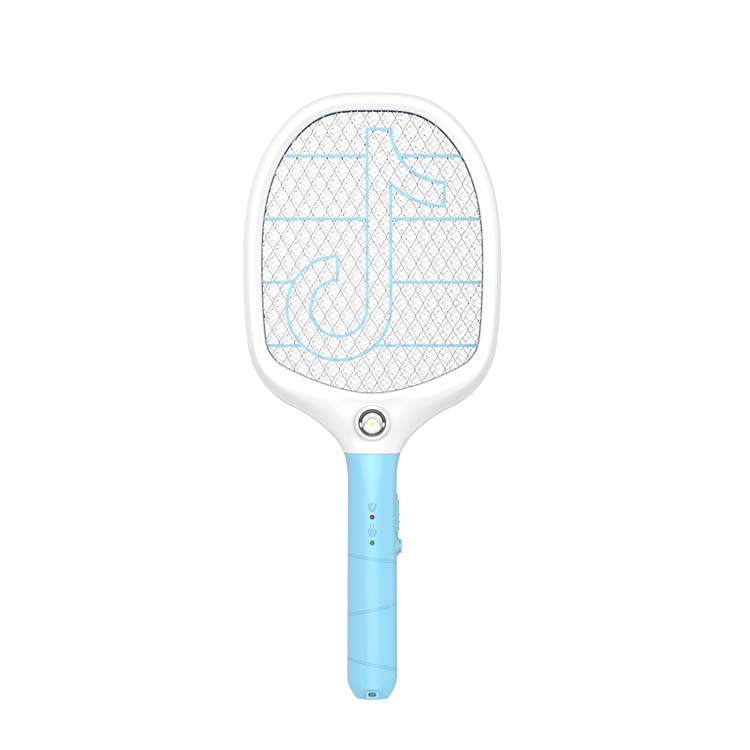
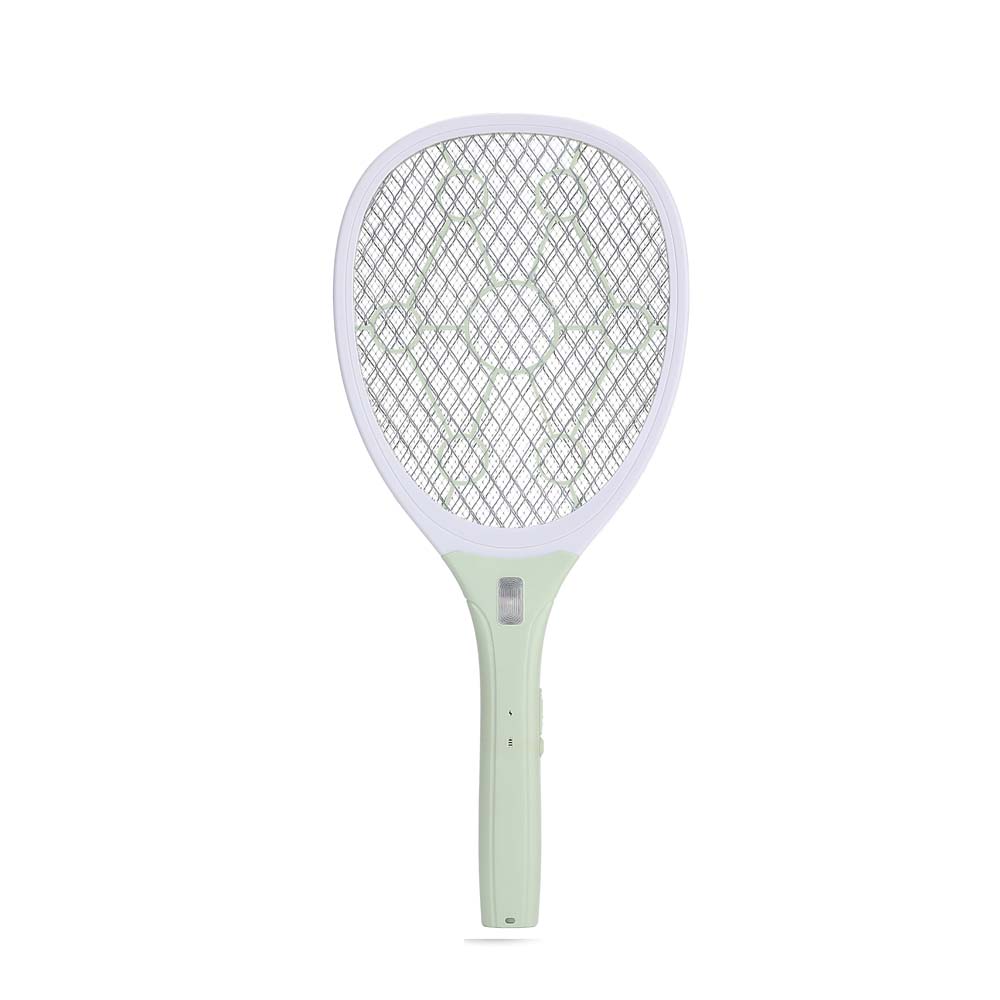
Mosquito swatters and electric mosquito killer lamps are very practical physical mosquito - killing tools. Mosquito swatters eliminate mosquitoes that come into contact with the electric grid through electric shock. When in use, you just need to wave the swatter, and it can quickly kill flying mosquitoes. It is easy to operate and the effect is immediate. Electric mosquito killer lamps, on the other hand, take advantage of mosquitoes' phototaxis. They attract mosquitoes through light of a specific wavelength. When mosquitoes get close, they will be electrocuted by the built - in electric grid or sucked in and killed by a fan. Placed in indoor corners or places where mosquitoes often appear, they can continuously trap and kill mosquitoes, creating a mosquito - free resting space for you.
Use Essential Oils
Many essential oils have bug-repellent properties. Peppermint, lavender, eucalyptus, and citronella oils are known to repel mosquitoes, ants, spiders, and other bugs. You can dilute the essential oils in water and spray them around your home and garden, or use diffusers to disperse the scent.
Plant Bug-Repellent Plants
Certain plants have natural bug-repellent properties. Marigolds, basil, rosemary, and mint are known to repel mosquitoes, flies, and other bugs. Plant these bug-repellent plants in your garden or around your home to create a natural barrier against bugs.
Attract Beneficial Insects
Beneficial insects, such as ladybugs, lacewings, and praying mantises, feed on harmful bugs. Attract these beneficial insects to your garden by planting flowers and herbs that they like, such as dill, fennel, and yarrow. You can also purchase beneficial insects from garden centers and release them into your garden.
Chemical Bug Control Methods
In some cases, natural bug control methods may not be sufficient to eliminate a bug infestation. In such situations, you may need to resort to chemical bug control methods. However, it's important to use these methods with caution and follow the instructions carefully to avoid harming yourself, your family, and the environment.
Choose the Right Pesticide
There are many different types of pesticides available on the market, each designed to target specific bugs. Choose a pesticide that is appropriate for the type of bug you are dealing with and follow the instructions on the label carefully. Make sure to wear protective clothing, gloves, and a mask when using pesticides.
Apply Pesticides Properly
When applying pesticides, it's important to follow the instructions on the label carefully. Apply the pesticide in the right place, at the right time, and in the right amount. Avoid applying pesticides near food, water, or areas where children and pets play.
Hire a Professional Pest Control Service
If you have a severe bug infestation or are not comfortable using pesticides yourself, you may want to consider hiring a professional pest control service. A professional pest control service has the expertise, equipment, and experience to effectively eliminate bug infestations and prevent them from coming back.
Monitoring and Maintenance
Taking control of bug control is an ongoing process. It's important to monitor your property regularly for signs of bug activity and take prompt action if you notice any. By maintaining a clean and bug-resistant environment, you can reduce the likelihood of infestations and keep your home and garden bug-free.
Regular Inspections
Inspect your home and garden regularly for signs of bug activity, such as droppings, chewed leaves, nests, or any other indicators. Early detection allows you to take prompt action and prevent the infestation from spreading.
Maintenance and Repairs
Keep your home and garden well-maintained by regularly cleaning, repairing, and maintaining your property. Seal any cracks, gaps, or openings, repair leaky pipes, and keep your gutters clean and clear. This will not only prevent bugs from entering your property but also improve the overall condition of your home and garden.
Follow-Up Treatments
If you have used chemical bug control methods to eliminate a bug infestation, it's important to follow up with additional treatments to prevent the bugs from coming back. Follow the instructions on the pesticide label carefully and schedule regular follow-up treatments as recommended.
In conclusion, taking control of bug control requires a combination of prevention, natural methods, chemical methods, and monitoring. By understanding the enemy, creating a bug-resistant environment, using natural and chemical bug control methods, and monitoring and maintaining your property, you can effectively eliminate bug infestations and keep your home and garden bug-free. Remember, bug control is an ongoing process, so it's important to stay vigilant and take prompt action if you notice any signs of bug activity.
The Ultimate Guide to Picking the Perfect Bug Zapper
Can Bleach Kill Insects
Related Article

If you’re struggling with annoying mosquitoes, flies, and other flying pests indoors and outdoors, upgrading from traditional manual tools to anElectric Mosquito Swatter is the most efficient solution. Many homeowners and renters search where to buy fly swatter online to find durable, safe, and high-performance electric models that deliver instant pest control.
Where to Buy Fly Swatter

Most importers of electric mosquito swatters obsess over the first order: samples requested, factories vetted, a pre-shipment inspection booked. Then the reorder arrives eight months later and something is off. The grid feels softer. The charge port is a slightly different shade of black. The carton thickness dropped from 350 gsm to 300 gsm. Nothing is catastrophic — but the product no longer matches what your retail customers approved, and quietly, your return rate starts climbing.
How to Keep Mosquito Swatter Quality Consistent Across Repeat Orders

Warranty returns are the silent margin killer in the mosquito control category. A distributor who buys a swatter at $1.80 FOB and retails it at $9.90 can absorb a 1% return rate without noticing — but at 5%, the combined cost of replacement units, reverse logistics, and refund processing erases most of the line's profit.
Common mosquito swatter killer lamp failure modes wholesale spec guide

Digital bathroom scales rank as the second-highest-volume consumer weighing product category, only behind kitchen scales, with distinct market and product characteristics that set them apart from other scale types in importers’ product portfolios.
Digital bathroom body fat-bia-scale wholesale buyers guide