
How To Get Rid Of Crickets In The House
2025-07-07
How To Get Rid Of Crickets In The House
Hearing the chirping of crickets outside on a summer night can be quite soothing, but when these insects invade your home, they quickly transform from charming to a nuisance. Crickets in the house not only create an annoying racket that disturbs your peace and sleep but can also damage fabrics, paper, and even food items. If you're struggling with a cricket infestation, this blog post will guide you through effective methods to get rid of them, including the use of some familiar bug - zapping tools like mosquito killer lamps and electric mosquito swatters.
Identify and Locate the Crickets
Before you start getting rid of crickets, it's crucial to identify where they are hiding. Crickets are nocturnal insects and tend to seek dark, moist, and secluded areas. Common hiding spots in the house include basements, crawl spaces, garages, closets, and under furniture. Look for signs such as small black droppings that resemble pepper, chewed - on fabrics or paper, and of course, listen closely for their distinctive chirping sounds, especially at night.
Environmental Modification
Keep Your House Clean
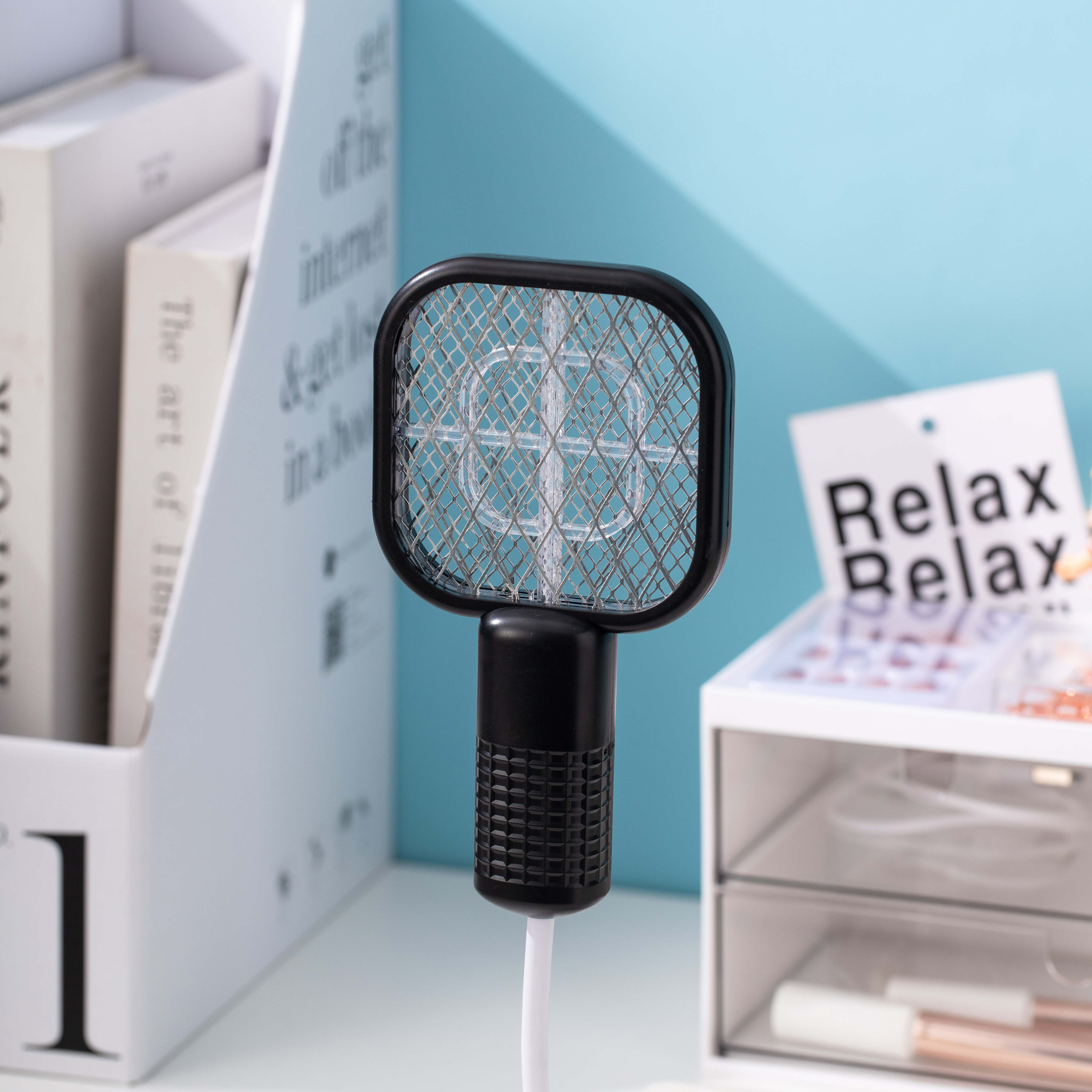
A clean house is less attractive to crickets. Regularly vacuum and sweep floors, paying special attention to corners and areas under furniture. Wipe down surfaces, and make sure to clean up any food crumbs or spills promptly. Store food in sealed containers and dispose of garbage regularly. By eliminating potential food sources, you can reduce the likelihood of crickets staying in your home.
Eliminate Moisture
Crickets are drawn to damp environments. Fix any leaky pipes, faucets, or drains in your house. Use a dehumidifier in areas prone to moisture, such as basements and bathrooms, to keep the humidity levels low. Also, ensure proper ventilation in these areas to prevent moisture buildup.
Physical Traps and Barriers
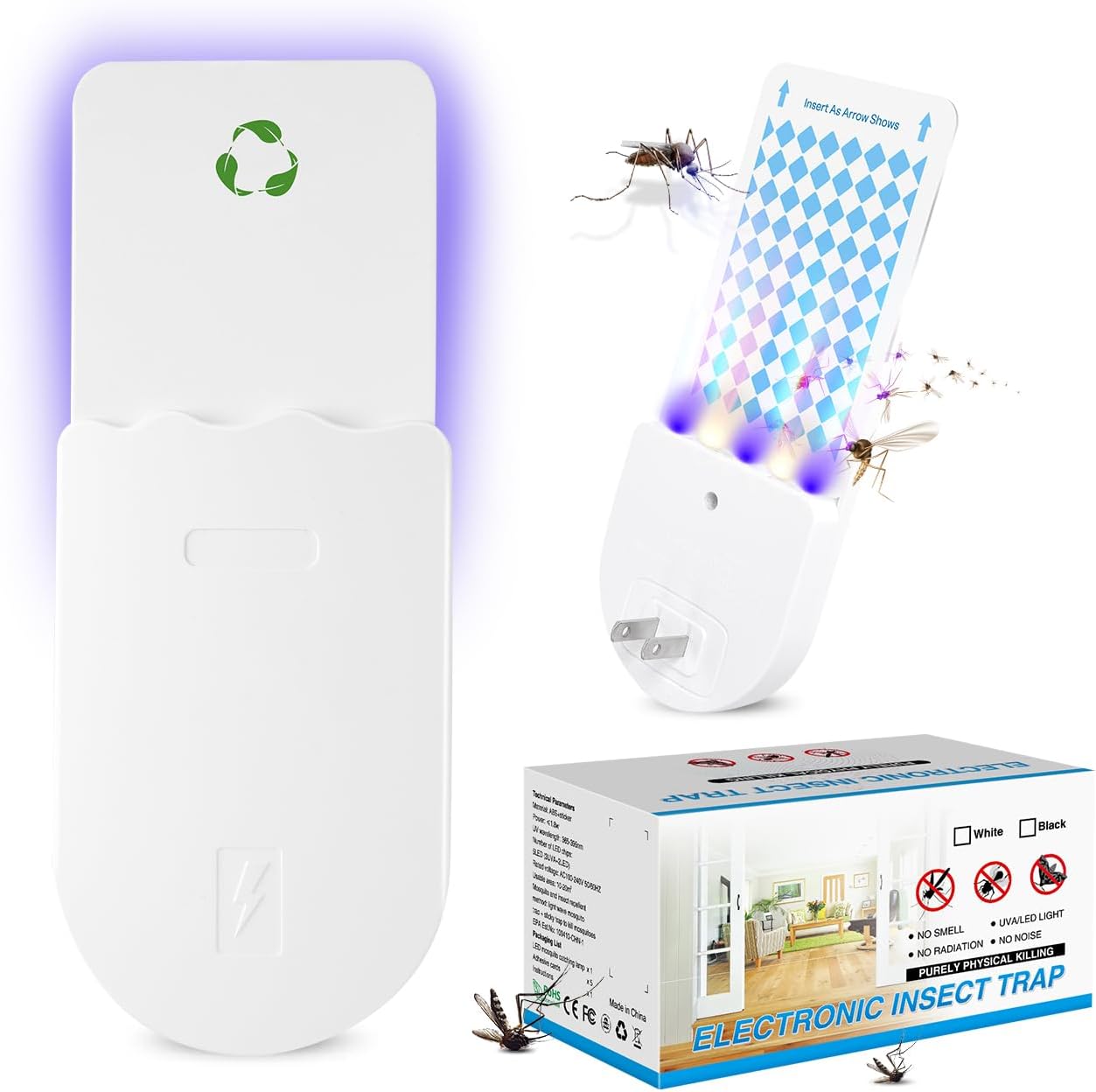
You can purchase commercial sticky traps or make your own at home. For a homemade version, spread a thick layer of petroleum jelly or honey on a piece of cardboard. Place these traps in areas where you suspect crickets are hiding. When crickets come into contact with the sticky surface, they will get stuck.
Barriers
Seal any cracks, crevices, and gaps around windows, doors, pipes, and utility entrances with caulk or weatherstripping. This not only prevents crickets from entering your house but also helps with energy efficiency and keeping out other pests.
Using Bug - Zapping Tools
Mosquito killer lamps can also be effective against crickets. Since crickets, like many insects, are attracted to light, the UV light emitted by these lamps can lure them in. Once the crickets approach the lamp, they will either be electrocuted by the high - voltage grid or sucked into the collection tray by the fan. Place the mosquito killer lamp in areas where crickets are likely to be, such as the basement or garage. However, be cautious if you have small children or pets, and make sure the lamp has proper safety features to prevent accidental contact with the grid.
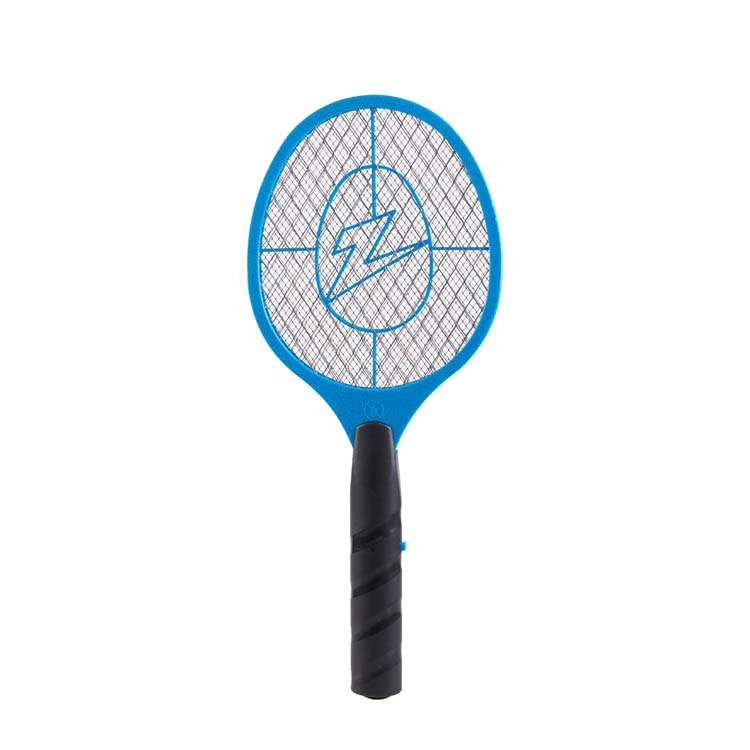
An electric mosquito swatter is a handy tool for dealing with crickets that you spot directly. When you see a cricket, simply turn on the swatter and swing it gently to make contact with the insect. The electric charge will electrocute the cricket instantly. Its portability allows you to use it in various rooms and tight spaces around the house. Just remember to turn off and disconnect the swatter when not in use to ensure safety.
Natural Repellents
Essential Oils
Crickets dislike the smell of certain essential oils. Mix a few drops of essential oils like peppermint, lavender, or eucalyptus with water in a spray bottle. Spray this mixture in areas where crickets are present or likely to enter, such as doorways, windowsills, and along baseboards. The strong scent will repel the crickets and make your house less inviting to them.
Diatomaceous Earth
Diatomaceous earth is a natural, non - toxic powder made from the fossilized remains of diatoms. Sprinkle a thin layer of diatomaceous earth in areas where crickets are active. When the crickets come into contact with it, the powder will stick to their bodies and gradually dehydrate them, leading to their death. It's important to use food - grade diatomaceous earth, especially if you have pets or children, as it is safe for them when used properly.
Preventing Future Infestations
After successfully getting rid of the crickets in your house, take steps to prevent future infestations. Keep up with regular cleaning and maintenance of your home. Trim bushes and grass around the exterior of your house to reduce hiding places for crickets. Check for and repair any damage to screens on windows and doors. By staying vigilant and taking proactive measures, you can keep your home cricket - free.
Say Goodbye to Pesky Bugs
How to Make Homemade Fly Killer
Related Article

If you’re struggling with annoying mosquitoes, flies, and other flying pests indoors and outdoors, upgrading from traditional manual tools to anElectric Mosquito Swatter is the most efficient solution. Many homeowners and renters search where to buy fly swatter online to find durable, safe, and high-performance electric models that deliver instant pest control.
Where to Buy Fly Swatter
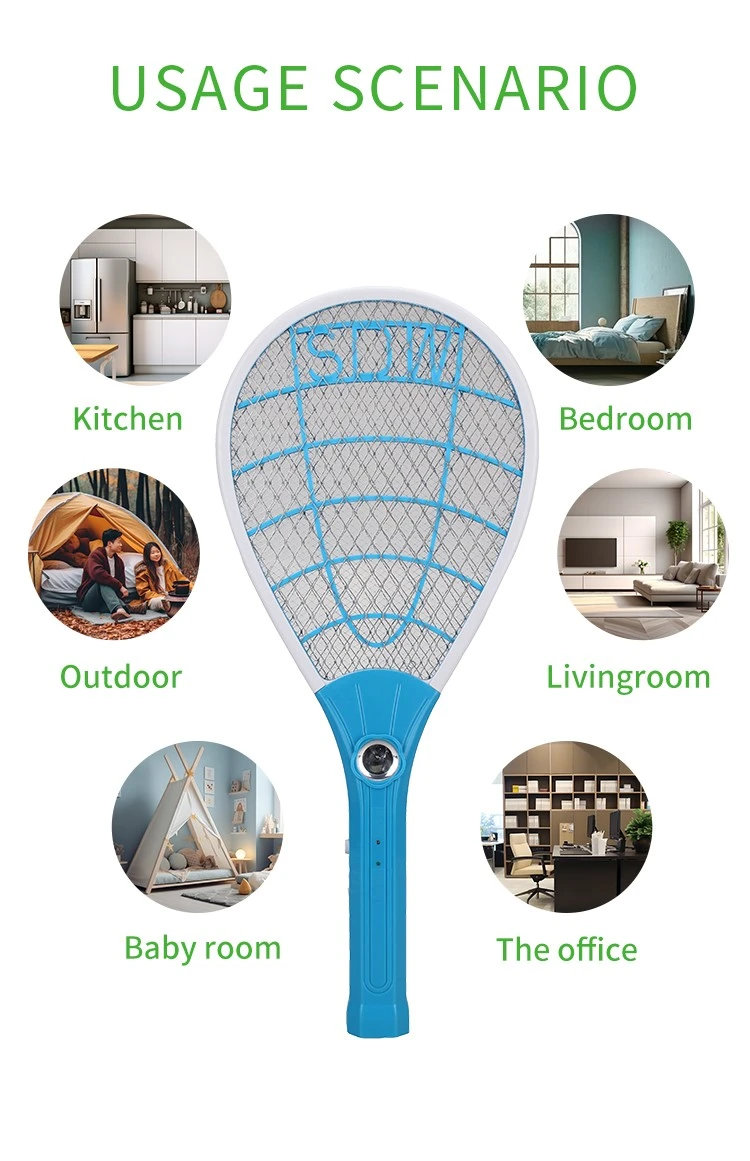
Most importers of electric mosquito swatters obsess over the first order: samples requested, factories vetted, a pre-shipment inspection booked. Then the reorder arrives eight months later and something is off. The grid feels softer. The charge port is a slightly different shade of black. The carton thickness dropped from 350 gsm to 300 gsm. Nothing is catastrophic — but the product no longer matches what your retail customers approved, and quietly, your return rate starts climbing.
How to Keep Mosquito Swatter Quality Consistent Across Repeat Orders
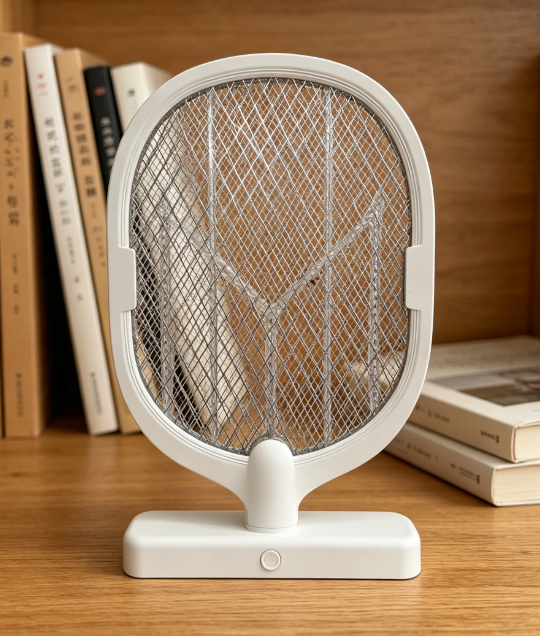
Warranty returns are the silent margin killer in the mosquito control category. A distributor who buys a swatter at $1.80 FOB and retails it at $9.90 can absorb a 1% return rate without noticing — but at 5%, the combined cost of replacement units, reverse logistics, and refund processing erases most of the line's profit.
Common mosquito swatter killer lamp failure modes wholesale spec guide

Digital bathroom scales rank as the second-highest-volume consumer weighing product category, only behind kitchen scales, with distinct market and product characteristics that set them apart from other scale types in importers’ product portfolios.
Digital bathroom body fat-bia-scale wholesale buyers guide