
Is UV Light Bad for You
2025-06-23
Is UV Light Bad for You
UV light is all around us, from the sunlight we enjoy outdoors to the artificial sources in some indoor settings. But the question lingers: is UV light bad for you? To answer this, we need to understand the different types of UV light and how they interact with our bodies.
Types of UV Light
There are three main types of ultraviolet (UV) light: UVA, UVB, and UVC.
UVA rays have the longest wavelength among the three. They can penetrate deep into the skin, reaching the dermis layer. UVA is present all day long, even on cloudy days, and is the main culprit behind premature skin aging. It causes the breakdown of collagen and elastin fibers, leading to wrinkles, fine lines, and a loss of skin elasticity. UVA is also associated with an increased risk of skin cancer, although its carcinogenic effects are a bit more complex compared to UVB.
UVB rays have a shorter wavelength than UVA. They mainly affect the outermost layer of the skin, the epidermis. UVB is the primary cause of sunburn. When the skin is exposed to excessive UVB, it can cause redness, pain, and peeling. Prolonged exposure to UVB significantly increases the risk of developing skin cancers such as basal cell carcinoma, squamous cell carcinoma, and melanoma.
UVC has the shortest wavelength and is the most energetic of the three. Fortunately, most UVC rays are absorbed by the Earth's ozone layer, so they rarely reach the Earth's surface. However, artificial sources like germicidal lamps can emit UVC, and direct exposure to it can be extremely harmful to human cells and DNA, causing severe burns and increasing the risk of cancer.
Effects of UV Light on the Skin
Excessive exposure to UV light, especially UVA and UVB, can have detrimental effects on the skin. As mentioned, it can lead to premature aging, characterized by wrinkles, age spots, and a rough texture. Sunburn, caused by UVB, is not only painful but also damages the skin cells. Over time, repeated UV exposure can accumulate DNA damage in skin cells, which may eventually lead to the development of skin cancer. Melanoma, one of the most dangerous forms of skin cancer, has a strong link to UV exposure, particularly intense and intermittent exposure like sunbathing or getting sunburned.
Effects of UV Light on the Eyes
UV light can also harm our eyes. Long - term exposure to UV rays can increase the risk of developing cataracts, a condition where the eye's lens becomes cloudy, leading to vision impairment. UV exposure can also cause photokeratitis, which is similar to a sunburn of the eye. Symptoms include pain, redness, tearing, and a feeling of having sand in the eyes. Additionally, it may contribute to the development of other eye conditions such as pterygium, a growth on the eye's surface.
Protecting Yourself from Harmful UV Light
Despite the potential risks, we don't have to avoid the sun completely. There are several effective ways to protect ourselves from harmful UV light:
Sunscreen
Using a broad - spectrum sunscreen with a high sun protection factor (SPF) can block both UVA and UVB rays. Apply sunscreen generously to all exposed skin, especially before going outdoors, and reapply it every few hours, especially after sweating or swimming.
Protective Clothing
Wearing long - sleeved shirts, long pants, wide - brimmed hats, and UV - blocking sunglasses can provide additional protection. Some clothing is specifically designed with UV - protection ratings to offer better shielding from UV rays.
Avoid Peak Sun Hours
The sun's UV rays are strongest between 10 a.m. and 4 p.m. Try to stay indoors or seek shade during these hours to minimize UV exposure.
The Positive Sides of UV Light
It's not all bad news. UV light also has some beneficial aspects. Moderate exposure to sunlight helps our bodies produce vitamin D, which is essential for bone health, immune function, and overall well - being. Additionally, in some medical treatments, controlled UV exposure is used to treat skin conditions like psoriasis.
In conclusion, while UV light has its benefits, excessive exposure can pose significant risks to our skin and eyes. By understanding the types of UV light and taking appropriate protective measures, we can enjoy the sun safely and minimize the potential harm.
What Kills Mosquito Larvae
Does a Bug Zapper Work on Mosquito
Related Article

If you’re struggling with annoying mosquitoes, flies, and other flying pests indoors and outdoors, upgrading from traditional manual tools to anElectric Mosquito Swatter is the most efficient solution. Many homeowners and renters search where to buy fly swatter online to find durable, safe, and high-performance electric models that deliver instant pest control.
Where to Buy Fly Swatter
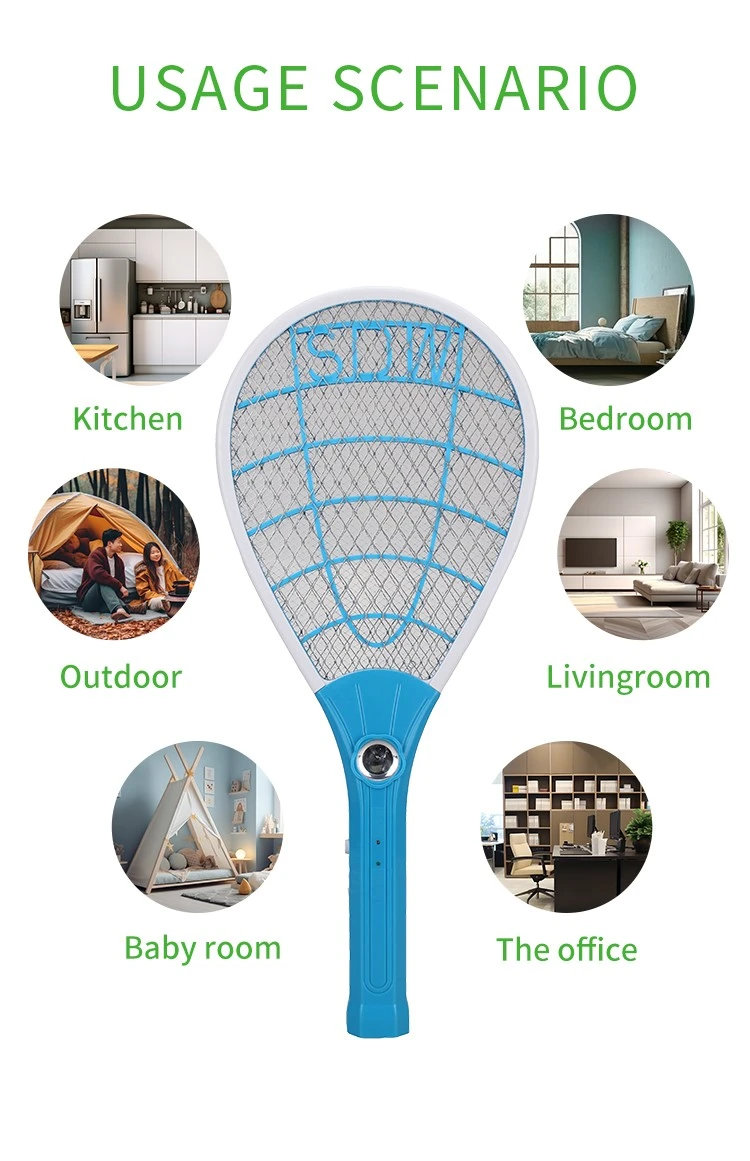
Most importers of electric mosquito swatters obsess over the first order: samples requested, factories vetted, a pre-shipment inspection booked. Then the reorder arrives eight months later and something is off. The grid feels softer. The charge port is a slightly different shade of black. The carton thickness dropped from 350 gsm to 300 gsm. Nothing is catastrophic — but the product no longer matches what your retail customers approved, and quietly, your return rate starts climbing.
How to Keep Mosquito Swatter Quality Consistent Across Repeat Orders
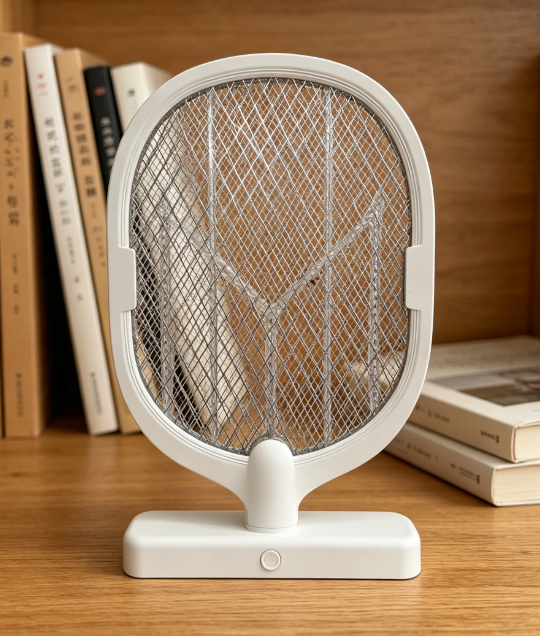
Warranty returns are the silent margin killer in the mosquito control category. A distributor who buys a swatter at $1.80 FOB and retails it at $9.90 can absorb a 1% return rate without noticing — but at 5%, the combined cost of replacement units, reverse logistics, and refund processing erases most of the line's profit.
Common mosquito swatter killer lamp failure modes wholesale spec guide

Digital bathroom scales rank as the second-highest-volume consumer weighing product category, only behind kitchen scales, with distinct market and product characteristics that set them apart from other scale types in importers’ product portfolios.
Digital bathroom body fat-bia-scale wholesale buyers guide