
What are the usage scenarios and precautions for electric mosquito swatters
2025-12-19
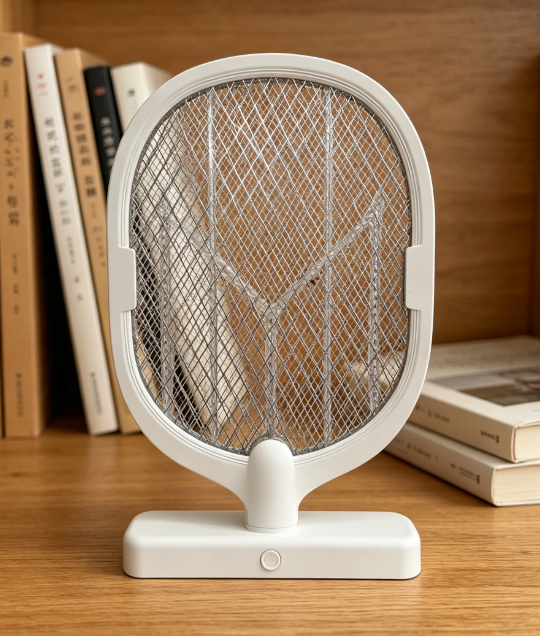
Many people may only know how to "swing" an electric mosquito swatter, but they fail to figure out its optimal usage scenarios and tend to overlook potential safety risks. This guide will sort out the high-frequency usage scenarios and essential safety tips for electric mosquito swatters, ensuring you can use them with ease and peace of mind.
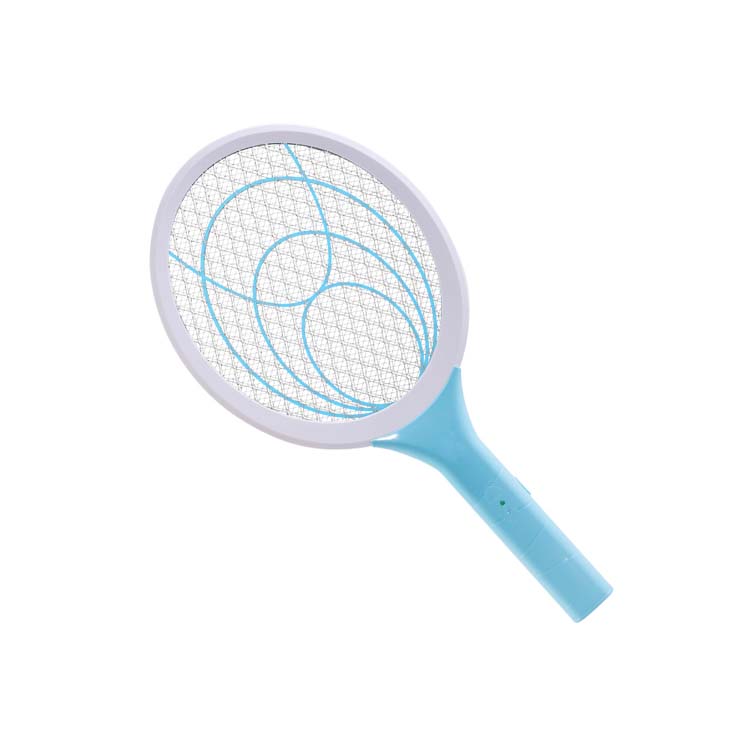
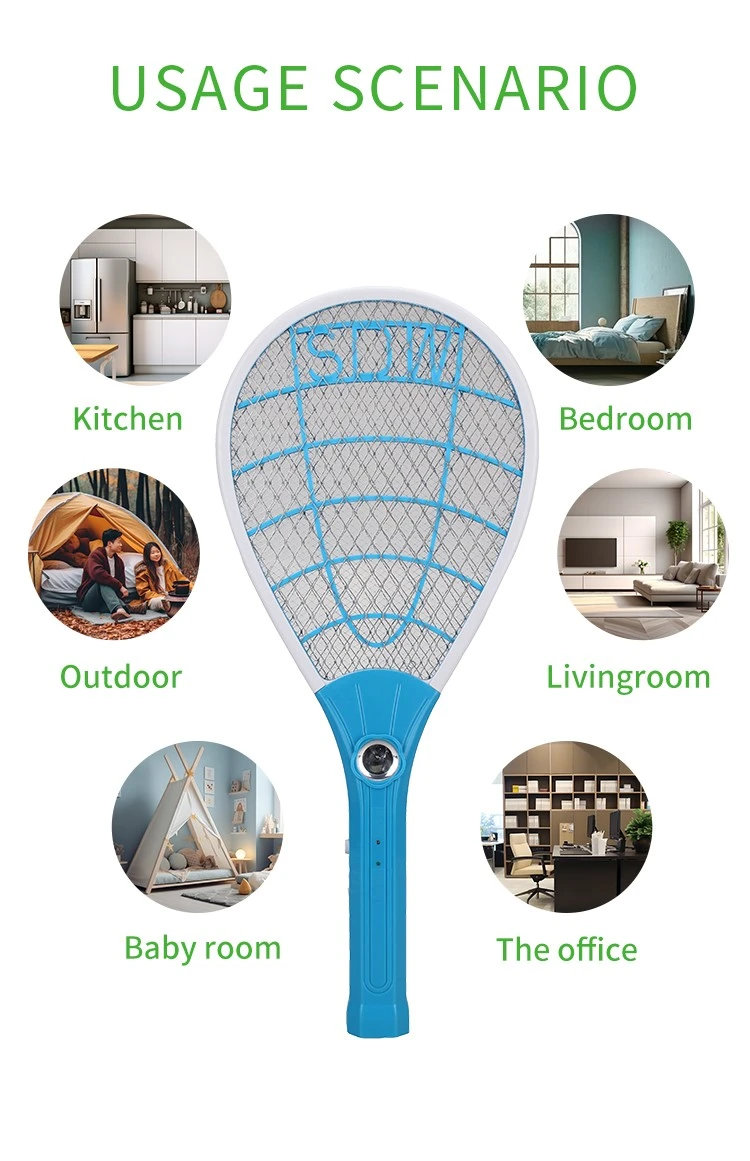
I. Core Usage Scenarios of Electric Mosquito Swatters
-
Indoor Core Activity Areas (High-Frequency Use)
- Bedroom: The top choice for mosquito elimination before bed, especially targeting mosquitoes around mosquito nets and in the corners of bed heads, to avoid nighttime bites that disrupt sleep.
- Living Room: Suitable for casual use while watching TV or resting, focusing on areas around sofas, curtain folds, and beside potted plants (where mosquitoes tend to hide).
- Kitchen: Clean up mosquitoes after meals (food residues are prone to attracting mosquitoes). Pay close attention to under the sink and gaps in cabinets, and keep away from open flames and oil stains when in use.
-
Semi-Outdoor Transition Areas (Easily Overlooked)
- Balcony: When hanging clothes to dry, mosquitoes are easily lured by the smell of fabrics, especially in the evening. You can eliminate mosquitoes in advance to reduce bites.
- Corridors/Hallways: Mosquitoes may fly indoors the moment you open the door. You can use the swatter briefly at the door to block mosquitoes from entering the room.
-
Outdoor Short-Term Scenarios (Emergency Use)
- Camping/Picnicking: Use it around tents and dining tables to deal with scattered outdoor mosquitoes. Note to stay away from grass and water sources (to avoid accidentally touching small creatures).
- Courtyards/Terraces: When enjoying the cool air in the evening, quickly eliminate low-flying mosquitoes to improve comfort.
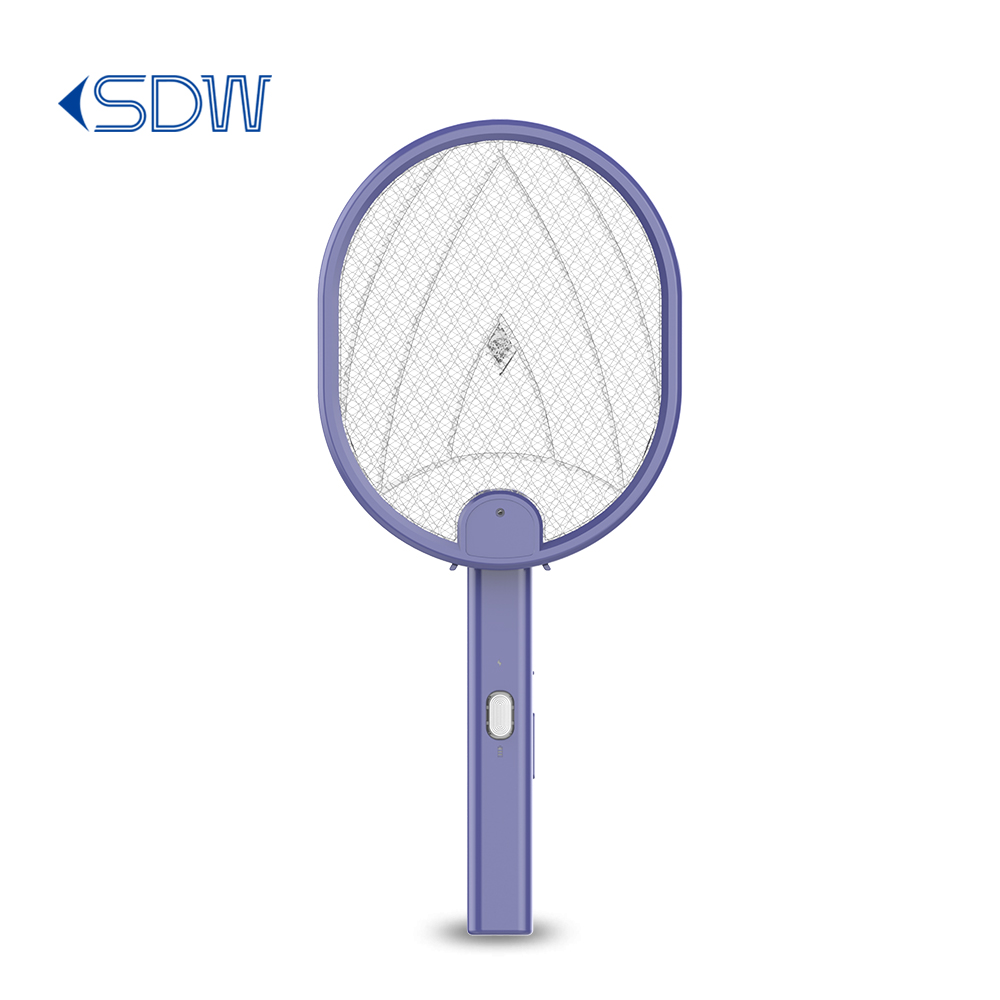
II. Essential Safety Precautions for Use
-
Electrical Safety: Avoid Electric Shock Risks
- Never use the swatter while it is charging. Unplug the power cord only after it is fully charged before operation to prevent short circuits.
- Keep away from water sources (e.g., bathrooms, beside fish tanks). Humid environments may cause electric leakage. Always cut off the power first and wipe the swatter surface with a dry cloth when cleaning.
- Do not touch the metal mesh of the swatter with your hands, especially shortly after mosquito elimination (the power grid may still retain electric charge). Children must use it under adult supervision.
-
Usage Taboos: Stay Away from Hazardous Scenarios
- Do not swing the swatter at metal objects or flammable materials (e.g., paper, mosquito coils, alcohol sprays). Discharges from the power grid may generate sparks, posing a fire hazard.
- Avoid swinging it at humans or pets (especially small pets) to prevent discomfort caused by electric shocks.
- Do not use it to kill aggressive insects such as bees and wasps, to avoid being stung. If encountering a swarm of bees, turn off the electric mosquito swatter and stay away immediately.
-
Maintenance and Storage: Extend Service Life and Avoid Risks
- If there are mosquito residues on the swatter surface, turn off the power and clean it with a brush. Do not rinse or soak it in water to prevent internal circuits from getting damp.
- Store it in a dry and well-ventilated place, avoid direct sunlight and high-temperature environments (e.g., car trunks), and keep it out of children’s reach.
- Replace the battery promptly when it ages (e.g., shortened battery life, abnormal charging). Dispose of waste batteries in accordance with environmental protection requirements; do not discard them randomly.
- If malfunctions occur, such as damaged power grids, exposed wires, or unresponsive buttons, stop using the swatter immediately and do not attempt to disassemble or repair it by yourself.
Wishes you a Merry Christmas and all the best
What are the future development trends of electric mosquito swatters
Related Article

If you’re struggling with annoying mosquitoes, flies, and other flying pests indoors and outdoors, upgrading from traditional manual tools to anElectric Mosquito Swatter is the most efficient solution. Many homeowners and renters search where to buy fly swatter online to find durable, safe, and high-performance electric models that deliver instant pest control.
Where to Buy Fly Swatter
Most importers of electric mosquito swatters obsess over the first order: samples requested, factories vetted, a pre-shipment inspection booked. Then the reorder arrives eight months later and something is off. The grid feels softer. The charge port is a slightly different shade of black. The carton thickness dropped from 350 gsm to 300 gsm. Nothing is catastrophic — but the product no longer matches what your retail customers approved, and quietly, your return rate starts climbing.
How to Keep Mosquito Swatter Quality Consistent Across Repeat Orders
Warranty returns are the silent margin killer in the mosquito control category. A distributor who buys a swatter at $1.80 FOB and retails it at $9.90 can absorb a 1% return rate without noticing — but at 5%, the combined cost of replacement units, reverse logistics, and refund processing erases most of the line's profit.
Common mosquito swatter killer lamp failure modes wholesale spec guide

Digital bathroom scales rank as the second-highest-volume consumer weighing product category, only behind kitchen scales, with distinct market and product characteristics that set them apart from other scale types in importers’ product portfolios.
Digital bathroom body fat-bia-scale wholesale buyers guide