
What to Do After Using Insecticide
2025-06-25
What to Do After Using Insecticide
When it comes to dealing with pesky insects, insecticides can be a powerful tool. However, using insecticide is just the first step; what you do after using insecticide is equally crucial for ensuring safety and effectiveness. Let's explore the necessary steps to take post - insecticide application.
Ventilate the Area Thoroughly
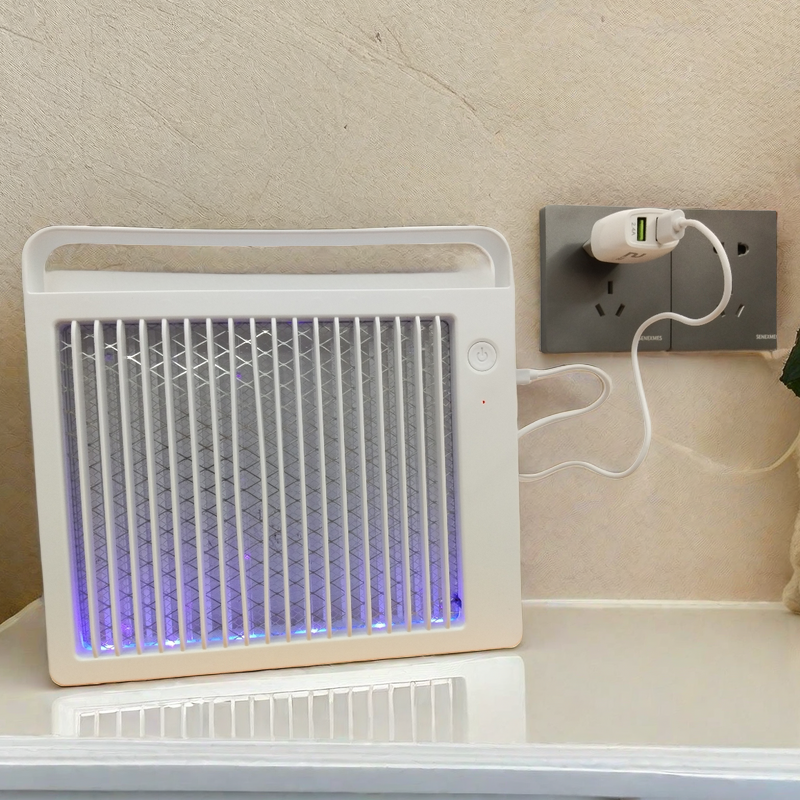
The first and most important thing to do after using insecticide is to ventilate the treated area. Open all windows and doors to allow fresh air to circulate. This helps disperse the chemical fumes, reducing the risk of inhaling harmful substances. Keep the area well - ventilated for at least 2 - 3 hours. In enclosed spaces like rooms or storage areas, you can also use fans to speed up the air exchange process.
Clean Up Carefully
Once the area is well - ventilated, it's time to start the cleaning process. Wear gloves and a mask to protect yourself from any residual chemicals. Wipe down all surfaces that the insecticide may have come into contact with, such as countertops, floors, and furniture. Use a damp cloth or a cleaning solution to remove any traces of the insecticide. Pay special attention to areas where food is prepared or consumed, as well as places where children and pets are likely to be. Dispose of the used cleaning materials properly to avoid further contamination.
Wash Your Hands and Change Clothes
After handling the insecticide and cleaning up, make sure to wash your hands thoroughly with soap and warm water for at least 20 seconds. This removes any insecticide residue that may have gotten on your skin. Additionally, change out of the clothes you were wearing during the insecticide application. Even if you don't see any visible residue on your clothes, there could still be traces of the chemical, so it's best to wash them separately in hot water with a strong detergent.
Monitor for Any Reactions
In some cases, exposure to insecticides, even after taking precautions, can cause adverse reactions. Keep an eye on yourself, family members, and pets for any signs of discomfort, such as headaches, nausea, skin irritation, or difficulty breathing. If you notice any unusual symptoms, seek medical attention immediately. Also, be aware that some insecticides may take time to fully eliminate pests, so it's normal to see a few remaining insects in the first few days after application. But if the pest problem persists, consider consulting a professional pest control service.
In conclusion, knowing what to do after using insecticide is essential for safeguarding your health and the health of those around you. By following these steps - thorough ventilation, careful cleaning, personal hygiene, and vigilant monitoring - you can minimize the risks associated with insecticide use while effectively dealing with pest problems.
How Does UV Light Kill Bed Bugs
Are Mosquitoes Attracted to UV Light
Related Article

If you’re struggling with annoying mosquitoes, flies, and other flying pests indoors and outdoors, upgrading from traditional manual tools to anElectric Mosquito Swatter is the most efficient solution. Many homeowners and renters search where to buy fly swatter online to find durable, safe, and high-performance electric models that deliver instant pest control.
Where to Buy Fly Swatter

Most importers of electric mosquito swatters obsess over the first order: samples requested, factories vetted, a pre-shipment inspection booked. Then the reorder arrives eight months later and something is off. The grid feels softer. The charge port is a slightly different shade of black. The carton thickness dropped from 350 gsm to 300 gsm. Nothing is catastrophic — but the product no longer matches what your retail customers approved, and quietly, your return rate starts climbing.
How to Keep Mosquito Swatter Quality Consistent Across Repeat Orders

Warranty returns are the silent margin killer in the mosquito control category. A distributor who buys a swatter at $1.80 FOB and retails it at $9.90 can absorb a 1% return rate without noticing — but at 5%, the combined cost of replacement units, reverse logistics, and refund processing erases most of the line's profit.
Common mosquito swatter killer lamp failure modes wholesale spec guide

Digital bathroom scales rank as the second-highest-volume consumer weighing product category, only behind kitchen scales, with distinct market and product characteristics that set them apart from other scale types in importers’ product portfolios.
Digital bathroom body fat-bia-scale wholesale buyers guide