
Bug Zappers vs. Chemical Sprays: Which is Safer for Your Family and Pets
2025-07-05
Bug Zappers vs. Chemical Sprays: Which is Safer for Your Family and Pets?
When it comes to pest control at home, two popular options are bug zappers and chemical sprays. But with concerns about the safety of family members and beloved pets, it's crucial to understand which one is a better choice. In this blog, we'll delve into the safety aspects of both, while also touching on related pest control devices like electric mosquito killers and electric mosquito swatters.
Bug Zappers: The Non - Chemical Option
How Bug Zappers Work
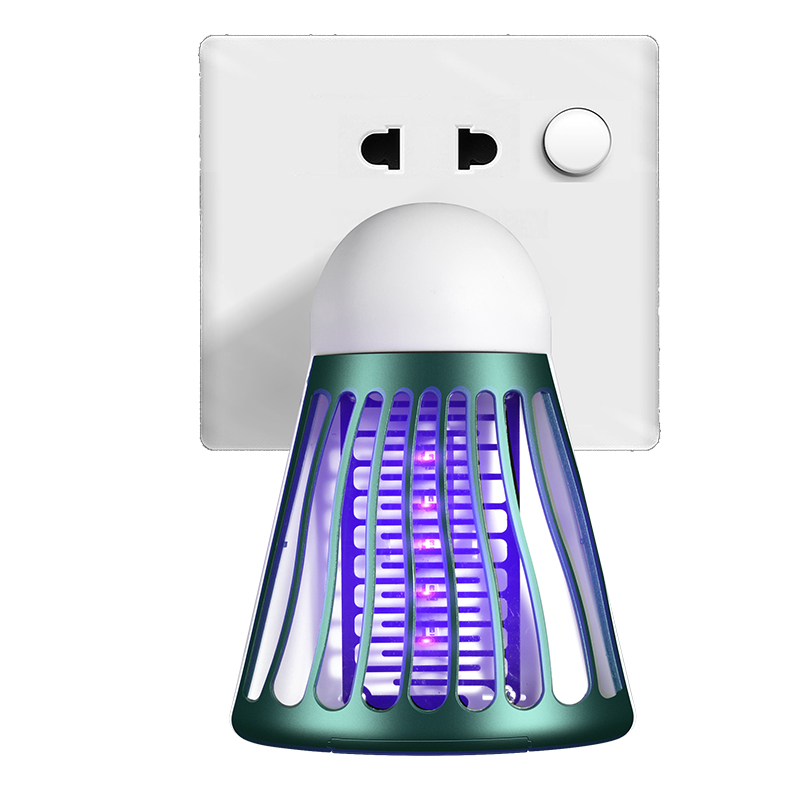
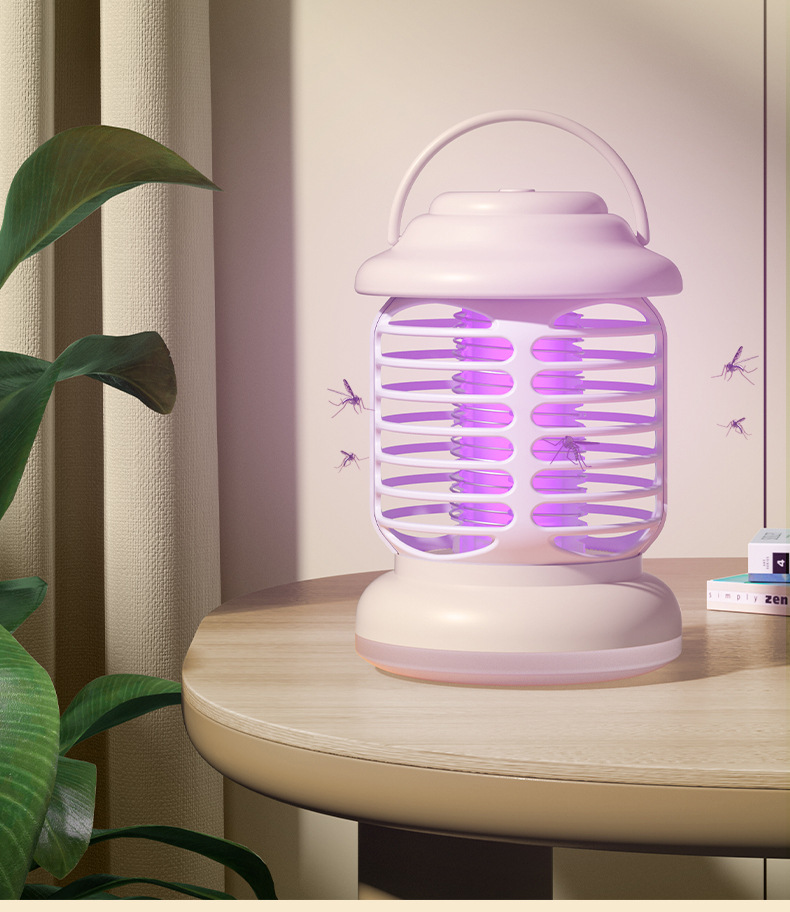
Bug zappers, including electric fly zappers and electric mosquito killers, operate by emitting ultraviolet (UV) light to attract insects. Once the bugs are drawn to the light, they come into contact with an electrified grid, resulting in their immediate demise. This method relies on physical extermination rather than chemicals, making it seem like a safer alternative at first glance.
Safety Considerations for Bug Zappers
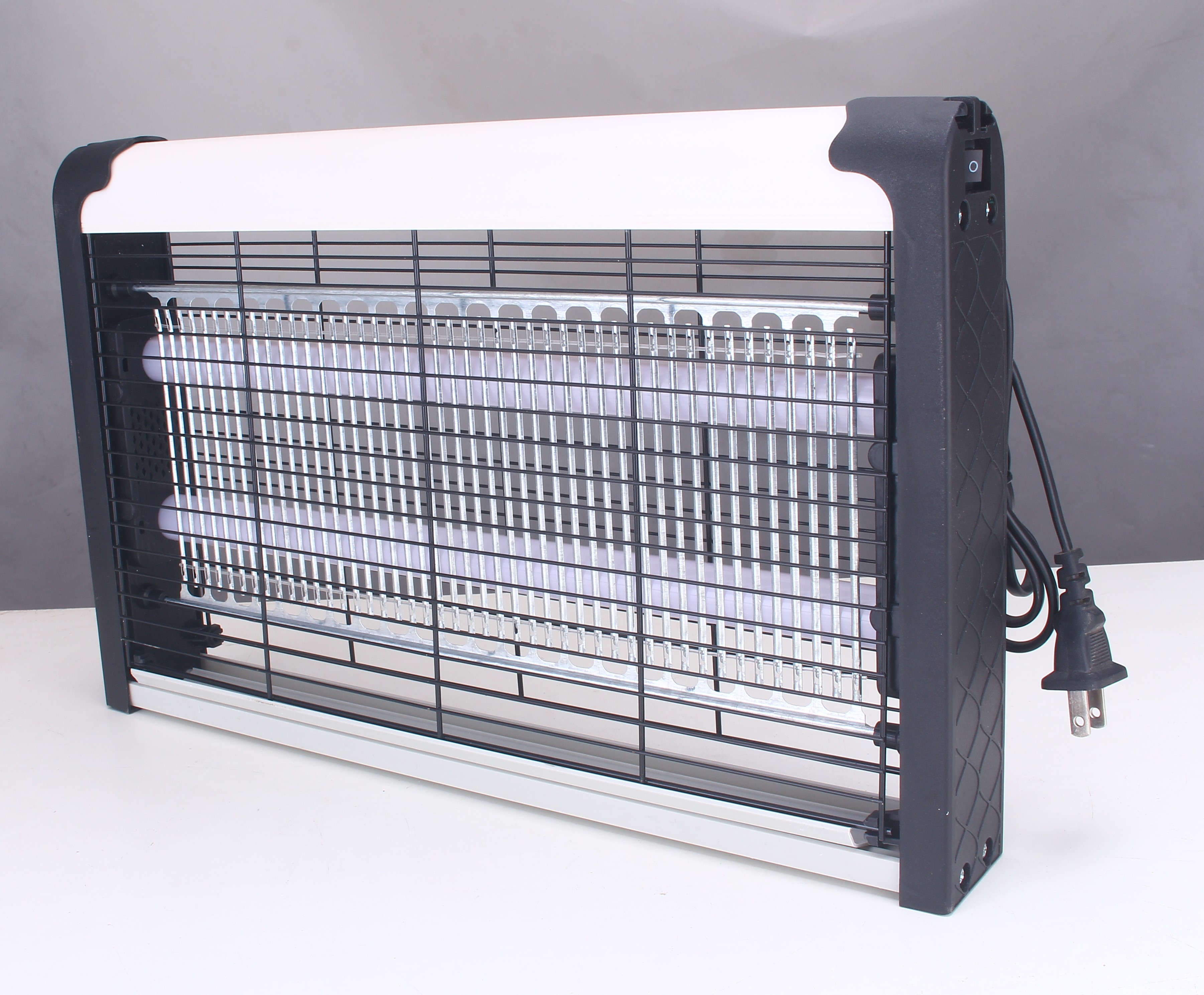
- Electrical Hazards: Bug zappers contain electrical components, and if not properly installed or maintained, they can pose a risk of electric shock, especially for curious children or pets that might try to touch the device. To mitigate this, always place bug zappers out of reach, preferably mounted high on walls or ceilings.
- Flying Debris: When insects are zapped, small pieces of debris can sometimes fly out from the device. This debris could potentially irritate the eyes or respiratory systems of nearby family members or pets. Placing the zapper in a well - ventilated area and at a safe distance from where people and pets spend a lot of time can help reduce this risk.
Chemical Sprays: The Traditional Approach
Ingredients and Risks
Chemical sprays typically contain a variety of pesticides, such as pyrethroids, which are designed to kill insects on contact or through ingestion. While these chemicals are effective at eliminating pests, they can also pose significant risks:
- Toxicity: Inhalation or skin contact with chemical sprays can cause a range of health issues in humans and pets. Symptoms may include nausea, dizziness, skin irritation, and in severe cases, more serious respiratory problems or neurological damage.
- Residual Effects: Chemicals from sprays can linger on surfaces, furniture, and floors for hours or even days after application. This means that family members and pets may continue to be exposed to the harmful substances long after the initial spraying.
Comparing with Electric Mosquito Swatters
Electric mosquito swatters are a handheld, physical pest control device. They are relatively safe as they only pose a risk when in use and directly touched while the device is charged. Unlike bug zappers, there's no risk of flying debris, and compared to chemical sprays, there are no toxic substances involved. However, they are more suitable for dealing with individual pests on the spot rather than large - scale pest control like bug zappers or chemical sprays.
Making the Safer Choice
- For Families with Small Children and Pets: Bug zappers and electric mosquito swatters are generally better options. When using a bug zapper, ensure it is installed securely and out of reach. Electric mosquito swatters can be used under adult supervision to handle occasional pests. Chemical sprays should be avoided due to the high risk of accidental exposure for curious kids and pets.
- For Larger - Scale Pest Problems: If you're facing a severe pest infestation, a combination of bug zappers and professional pest control services (which may use more controlled and less toxic chemical applications) might be a better approach. Still, it's important to keep family members and pets away from the treated areas as per the instructions.
In conclusion, when considering the safety of your family and pets, bug zappers and electric mosquito swatters are often safer alternatives to chemical sprays. Understanding the risks and benefits of each pest control method can help you make an informed decision to keep your home pest - free without compromising the well - being of your loved ones.
Do electric fly zappers require regular maintenance
Where should I place my electric fly zapper for the best results
Related Article
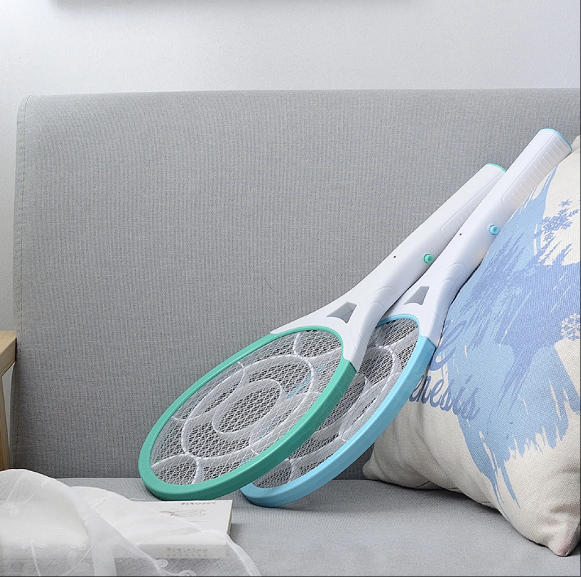
If you’re struggling with annoying mosquitoes, flies, and other flying pests indoors and outdoors, upgrading from traditional manual tools to anElectric Mosquito Swatter is the most efficient solution. Many homeowners and renters search where to buy fly swatter online to find durable, safe, and high-performance electric models that deliver instant pest control.
Where to Buy Fly Swatter
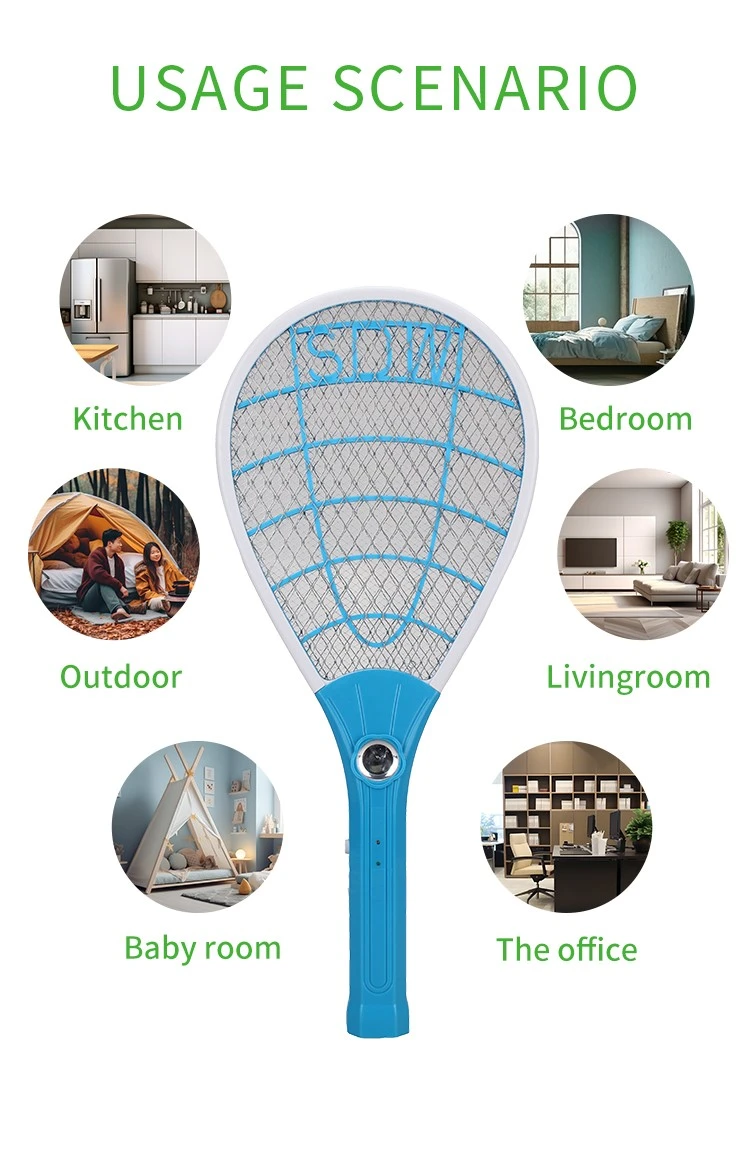
Most importers of electric mosquito swatters obsess over the first order: samples requested, factories vetted, a pre-shipment inspection booked. Then the reorder arrives eight months later and something is off. The grid feels softer. The charge port is a slightly different shade of black. The carton thickness dropped from 350 gsm to 300 gsm. Nothing is catastrophic — but the product no longer matches what your retail customers approved, and quietly, your return rate starts climbing.
How to Keep Mosquito Swatter Quality Consistent Across Repeat Orders
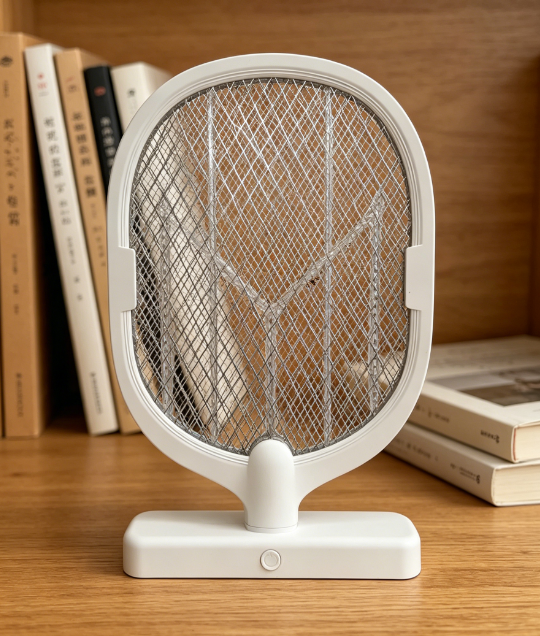
Warranty returns are the silent margin killer in the mosquito control category. A distributor who buys a swatter at $1.80 FOB and retails it at $9.90 can absorb a 1% return rate without noticing — but at 5%, the combined cost of replacement units, reverse logistics, and refund processing erases most of the line's profit.
Common mosquito swatter killer lamp failure modes wholesale spec guide
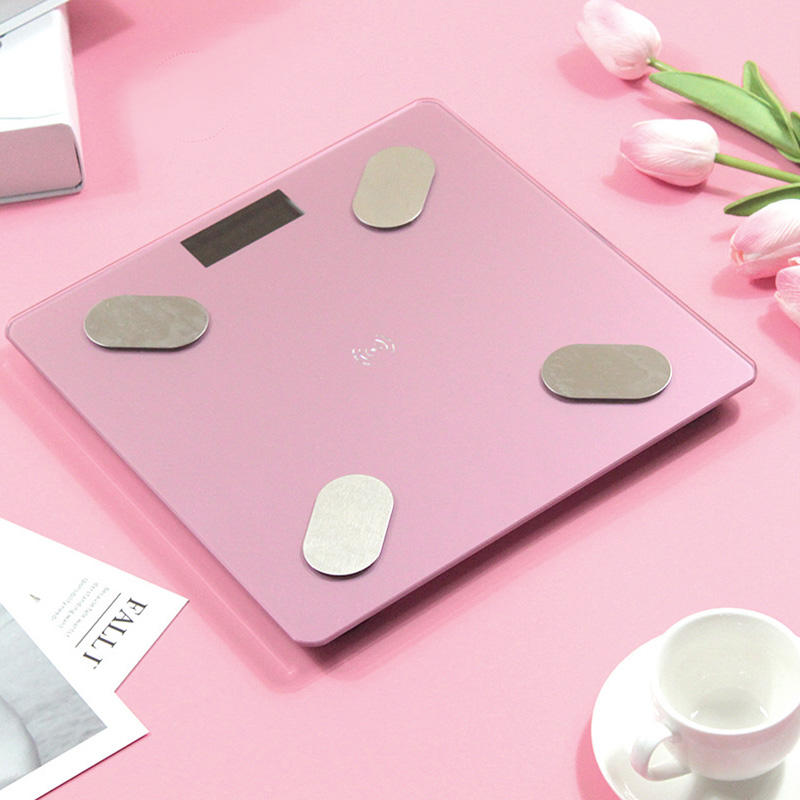
Digital bathroom scales rank as the second-highest-volume consumer weighing product category, only behind kitchen scales, with distinct market and product characteristics that set them apart from other scale types in importers’ product portfolios.
Digital bathroom body fat-bia-scale wholesale buyers guide