
MOQ and Pricing Negotiation with Chinese Mosquito Swatter Manufacturers
2026-08-26
MOQ and Pricing Negotiation with Chinese Mosquito Swatter Manufacturers: A Distributor's Framework
Target Keywords:mosquito swatter MOQ, Chinese factory pricing, OEM mosquito swatter cost, bulk mosquito racket negotiation
Placing bulk orders for electric mosquito swatters is never solely about chasing the lowest unit price. Margin-focused distributors understand that core negotiations revolve around minimum order quantities (MOQ), tooling cost amortization, packaging customization, and warranty terms. A seemingly low quotation on a proforma invoice can turn costly once product defect rates, rework expenses, and total landed costs are factored in.
This article delivers a practical negotiation framework for partnering with Chinese mosquito swatter manufacturers. All data referenced is sourced from mid-2026 official quotations from factories in Chaozhou, Guangdong — a manufacturing hub that produces approximately 40% of the world’s rechargeable mosquito swatters.
1. The Link Between MOQ, Pricing and Tooling Amortization
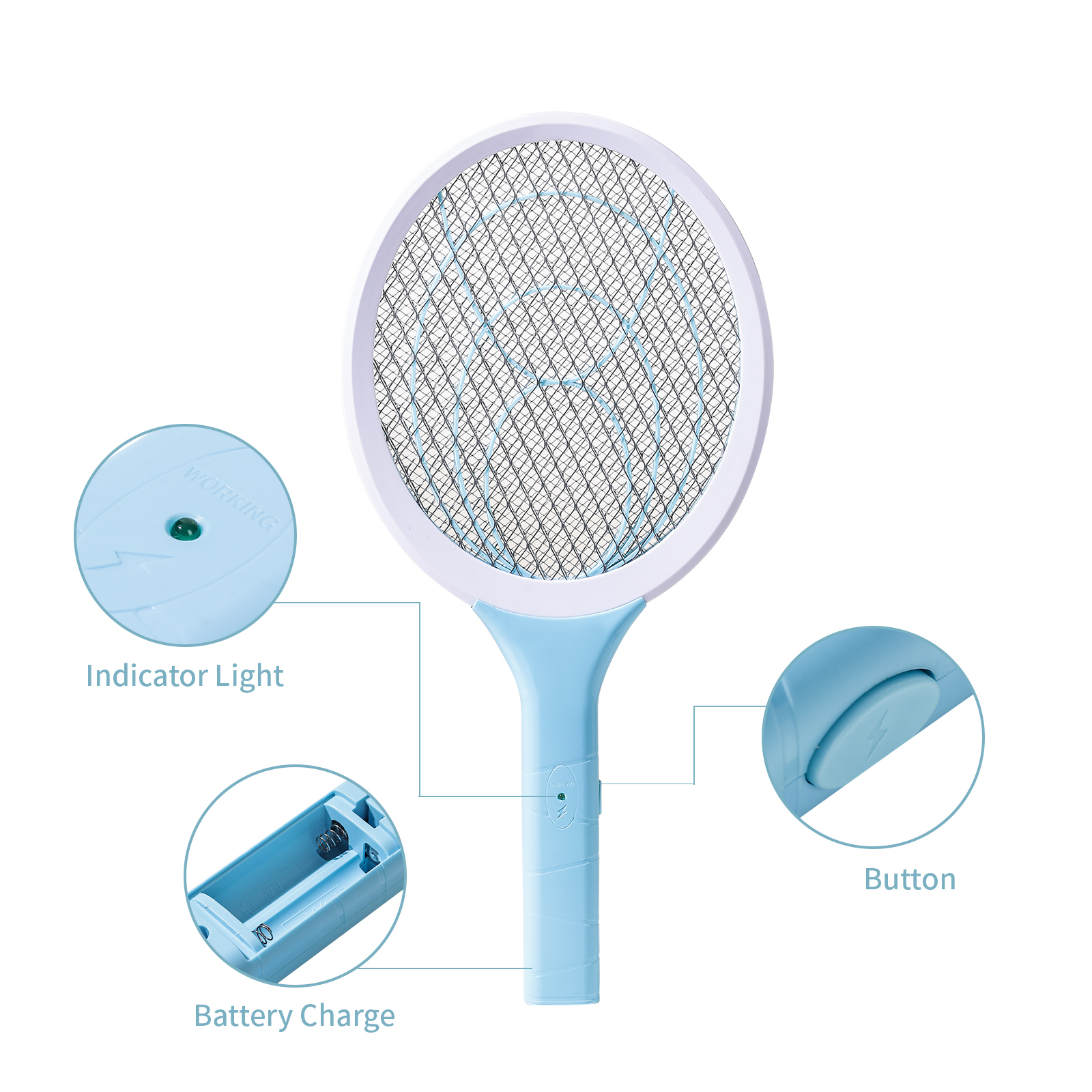
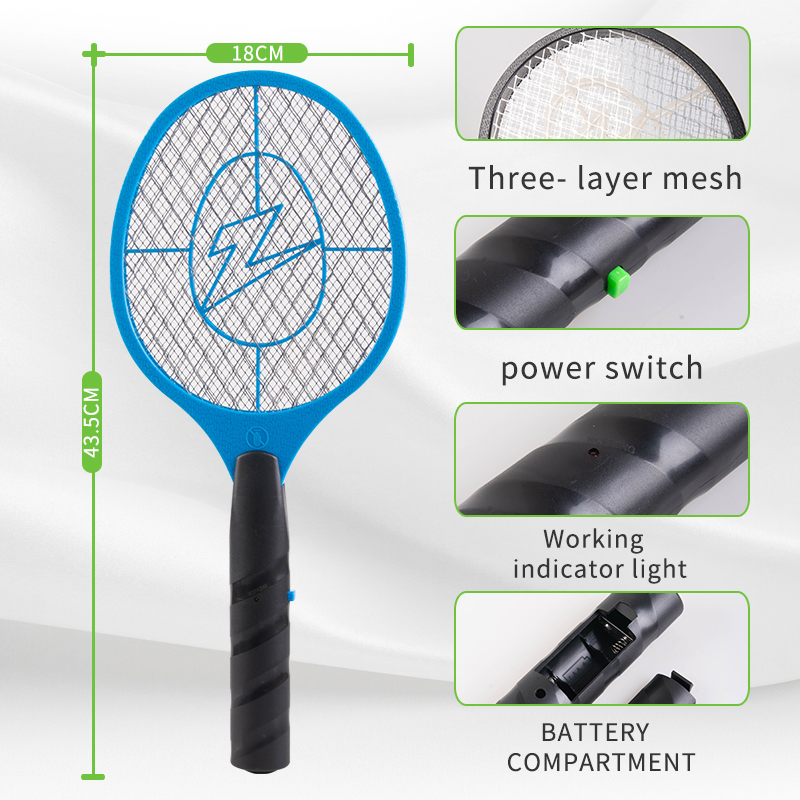
Manufacturers set minimum order quantities primarily to cover fixed production costs for jigs, injection molds, and printing films. A standard three-layer electric mosquito swatter requires a complete set of tooling and fixtures, including:
-
Injection molds for plastic handles and racket frames
-
Welding jigs for metal mesh screens
-
PCB testing fixtures
-
Logo printing films and silk screen templates
For existing standard models without exterior modifications, factories typically set the MOQ at 2,000 to 3,000 units. For fully customized solutions including exclusive housing colors, branded logos, and custom retail boxes, the MOQ threshold rises to 5,000 units. Tooling fees for moderate product redesigns range from $1,500 to $4,000, depending on mold complexity.
Experienced buyers negotiate tooling fees separately from unit prices and require manufacturers to provide a written amortization schedule. For example, if a factory quotes a $2,800 mold fee, buyers can negotiate full fee reimbursement after 20,000 cumulative units or spread the cost across the first five orders. This strategy optimizes cash flow and incentivizes factories to maintain consistent long-term product quality.
2. Standard Cost Breakdown for Mid-Range Rechargeable Mosquito Swatters
Unit factory price constitutes only a fraction of total procurement costs. Below is a complete landed cost structure for a 3,000-unit order of USB-rechargeable mosquito swatters equipped with 1,200 mAh lithium batteries, delivered to European warehouses:
|
Cost Component
|
USD per Unit
|
% of Landed Cost
|
|
Factory EXW Unit Price
|
2.40 – 3.10
|
52%
|
|
Custom Color & Logo
|
0.15 – 0.25
|
5%
|
|
Custom Retail Box
|
0.25 – 0.40
|
8%
|
|
Inland Freight & Port Fees
|
0.18 – 0.22
|
5%
|
|
Ocean Freight (FCL Share)
|
0.30 – 0.45
|
10%
|
|
Import Duties & Prepaid VAT
|
0.40 – 0.55
|
12%
|
|
QC Inspection & Destination Inland Delivery
|
0.20 – 0.30
|
8%
|
|
Total Estimated Landed Cost
|
3.88 – 5.27
|
100%
|
A $0.20 reduction in EXW unit price improves overall landed profit margins by approximately 4 to 5 percentage points. For high-volume, low-retail-price markets such as Sub-Saharan Africa, switching from custom color boxes to neutral brown cartons to save $0.15 per unit on packaging delivers even more substantial profit gains.
3. Key Negotiation Levers Beyond Order Volume
Distributors who only leverage higher order volumes to bargain for lower prices leave significant cost-saving potential untapped. Manufacturers equally value order predictability, capital efficiency, and minimized cooperation risks. Distributors can utilize the following negotiation levers:
-
Deposit Structure Adjustment: Established long-term buyers can negotiate a revised payment term of 20% deposit + 80% balance against B/L copy, replacing the standard 30% deposit + 70% pre-shipment payment. This accelerates the factory’s capital turnover and typically unlocks a 2%-3% unit price discount.
-
Quarterly Sales Forecast Commitment: Signing a 12-month rolling quarterly procurement forecast enables manufacturers to arrange raw material purchasing and production scheduling in advance, supporting a $0.10–$0.15 per unit price reduction.
-
Shared Certification Costs: If products require CB certification or market-specific test reports, offering to share the certified qualifications with the factory’s other clients lowers the manufacturer’s per-unit compliance costs, in exchange for preferential pricing.
-
Standardized Packaging: Streamlining packaging SKUs (e.g., reducing from six box types to two) cuts production changeover time and material waste, allowing factories to pass partial cost savings to buyers.
-
Optimized Payment Currency: For large-scale contracts, settling payments in RMB or adopting a mixed USD/RMB currency structure during favorable exchange rate periods can reduce overall procurement costs by 1%-2%, especially during strong US dollar cycles.
4. Common Quotation Traps and Avoidance Solutions
Low quotations do not always represent favorable deals. Distributors must guard against these prevalent industry pitfalls:
-
Unspecified Battery Specifications: Some vague quotations only state "rechargeable battery" without defining capacity. Always lock down exact battery models and mAh ratings in the proforma invoice.
-
Excluded USB Charging Cables: Base unit prices often exclude charging cables, incurring additional costs of $0.08–$0.12 per unit for separate installation.
-
Uncertified PCBs: Undisclosed PCB supplier replacements by factories may void CE and FCC compliance. Secure approved component lists in formal quality agreements.
-
Hidden Printing Surcharges: Multi-color logos and Pantone color matching for plastic housings incur per-color additional fees that are rarely listed in initial quotations.
Always require manufacturers to provide itemized quotations, detailed bills of materials (BOM), component lead times, and formal sample approval procedures. Factories that refuse transparent itemized pricing are generally unsuitable for long-term partnerships.
5. Building a Multi-Year Cost Optimization Roadmap
Top-performing distributors avoid one-off order-based bargaining. Instead, they present manufacturers with a three-year cooperation roadmap, including annual procurement volumes, certification plans, packaging upgrading schedules, and market expansion strategies. In return, they negotiate tiered pricing structures with incremental discounts at cumulative volume thresholds of 10,000, 50,000, and 100,000 units.
Add performance-based pricing clauses to contracts, tying price concessions to measurable quality metrics — such as a defect rate below 1.2% or an on-time delivery rate above 95%. This transforms adversarial bargaining into a mutually beneficial supply chain partnership.
Additional Reading for Buyers
Compare trade terms before negotiation: FOB vs CIF vs DDP for Mosquito Swatter Imports
Understand customization modes: OEM vs ODM Mosquito Swatter Manufacturing
Reference mainstream product pricing: Best Mosquito Zapper
Aofengming Electric, a Chaozhou-based manufacturer with 15 years of small home appliance production experience, provides distributors targeting Europe, Africa, and the Middle East with transparent itemized quotations, flexible MOQ negotiations, and full-spectrum OEM/ODM customization support.
How to Test Mosquito Swatter Samples Before Placing a Bulk Order
How to Store and Handle Bulk Mosquito Swatters
Related Article

If you’re struggling with annoying mosquitoes, flies, and other flying pests indoors and outdoors, upgrading from traditional manual tools to anElectric Mosquito Swatter is the most efficient solution. Many homeowners and renters search where to buy fly swatter online to find durable, safe, and high-performance electric models that deliver instant pest control.
Where to Buy Fly Swatter
Most importers of electric mosquito swatters obsess over the first order: samples requested, factories vetted, a pre-shipment inspection booked. Then the reorder arrives eight months later and something is off. The grid feels softer. The charge port is a slightly different shade of black. The carton thickness dropped from 350 gsm to 300 gsm. Nothing is catastrophic — but the product no longer matches what your retail customers approved, and quietly, your return rate starts climbing.
How to Keep Mosquito Swatter Quality Consistent Across Repeat Orders
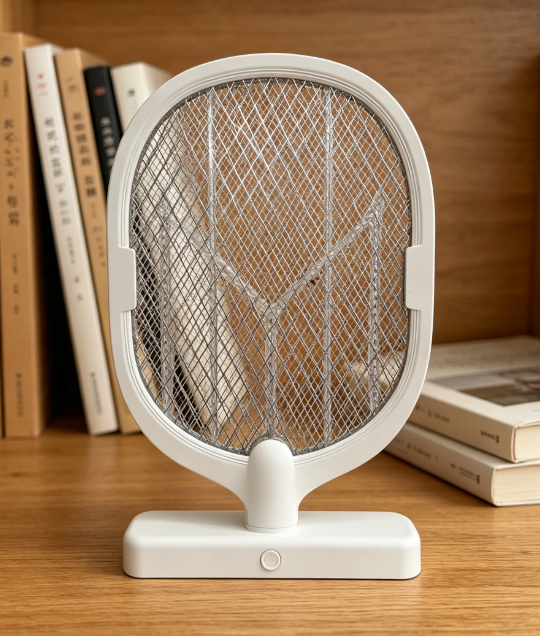
Warranty returns are the silent margin killer in the mosquito control category. A distributor who buys a swatter at $1.80 FOB and retails it at $9.90 can absorb a 1% return rate without noticing — but at 5%, the combined cost of replacement units, reverse logistics, and refund processing erases most of the line's profit.
Common mosquito swatter killer lamp failure modes wholesale spec guide

Digital bathroom scales rank as the second-highest-volume consumer weighing product category, only behind kitchen scales, with distinct market and product characteristics that set them apart from other scale types in importers’ product portfolios.
Digital bathroom body fat-bia-scale wholesale buyers guide